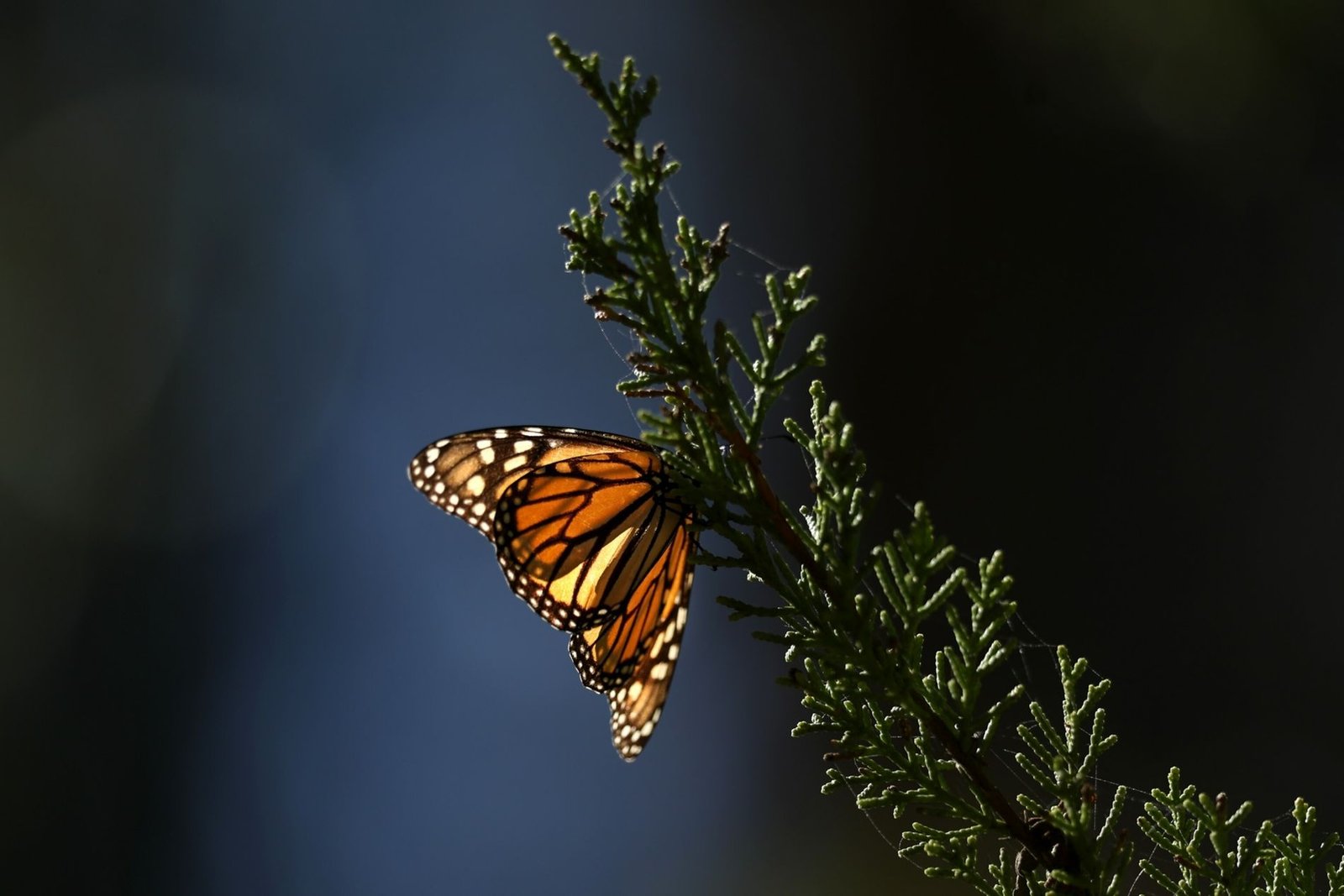
The monarch butterfly is one of the most recognized and admired species in the world, especially for its fascinating migration. However, this natural phenomenon is in danger due to various factors, from habitat loss to climate change. This article aims to explore the importance of the monarch butterfly, https://pussmoth.com/mariposas-monarca-esto-es-lo-que-puedes-hacer the challenges it faces, and most importantly, the actions you can take to protect it.
1. Who are the Monarch Butterflies?
Basic Features
The Monarch butterfly (Danaus plexippus) is one of the most well-known butterfly species, easily recognizable by its bright orange wings with black veins and white spots. These butterflies are not only stunning for their appearance, but also for their unique behavior and life cycle.
One of the most remarkable characteristics of monarch butterflies is their ability to migrate long distances. Every year, monarchs undertake an epic journey covering thousands of miles from Canada and the northern United States to the forests of Mexico and some places in the southern United States, such as Florida and California.
Life Cycle
The life cycle of monarch butterflies comprises four stages:
- Egg : The female lays her eggs on the leaves of milkweed (Asclepias), the only plant that serves as food for monarch caterpillars.
- Caterpillar : Caterpillars hatch and begin feeding on milkweed leaves. Over the course of several weeks, they go through a series of molts.
- Chrysalis : After growing sufficiently, the caterpillar transforms into a chrysalis, a pupal state in which metamorphosis is complete.
- Adult : Finally, the adult butterfly emerges, ready to begin the life cycle again, feeding on nectar and, in the case of migratory generations, preparing for the long journey south.
2. The Epic Migration of the Monarch Butterflies
Incredible Distances
The migration of monarch butterflies is one of the most amazing phenomena in the natural world. These tiny creatures, weighing less than a gram, travel up to 4,500 kilometers from Canada and the northern United States to the mountain forests of Mexico or, to a lesser extent, parts of the southern United States. During their journey, monarchs rely on a combination of biological instincts and environmental factors, such as temperature and sunlight, to guide their journey.
The “Methuselah” Generation
What’s most impressive is that the migration is carried out by a special generation of butterflies, known as the “Methuselah generation.” Unlike previous generations, which live only a few weeks, these migratory butterflies can live up to nine months. This extra time allows them to complete their round trip – an impressive feat for such a small creature.
3. Challenges Facing Monarch Butterflies
Habitat Loss
One of the biggest problems facing the monarch butterfly is the loss of its natural habitat, especially milkweed plants, essential for the development of its caterpillars. Milkweed has been eliminated in many areas due to agricultural expansion, urbanization and the use of herbicides.
The hibernation habitat in Mexico’s mountain forests is also in danger. Deforestation and human development have reduced the areas available for the butterflies to rest during the winter months.
Use of Pesticides
The use of pesticides in modern agriculture has also had a devastating effect on monarch butterflies. These chemicals not only eliminate pests, but also kill beneficial insects such as butterflies and other pollinators. In addition, the use of herbicides has reduced milkweed plants, depriving caterpillars of their only food source.
Climate Change
Climate change is another significant threat to monarch butterflies. Rising temperatures, altered precipitation patterns, and more frequent storms are affecting both the butterflies’ migration routes and overwintering sites. Climate change is also affecting the availability of nectar and milkweed in different parts of their range, making it harder for them to survive.
Fragmentation of the Migratory Route
Landscape fragmentation due to urban and agricultural expansion has created barriers to butterfly migration routes. As natural areas shrink, butterflies have fewer safe places to rest and feed during their long journey.
4. What Can You Do to Protect Monarch Butterflies?
Despite the challenges monarch butterflies face, there are many actions you can take to help them survive and thrive. From planting milkweed to supporting conservation initiatives, every little bit counts.
4.1 Planting Milkweed and Nectar Gardens
One of the most effective ways to help monarch butterflies is to plant native milkweed in your garden or community. Milkweed is crucial to monarch caterpillars, as it is the only plant they feed on. By planting milkweed, you are providing essential habitat for monarchs to lay their eggs and raise the next generation.
Additionally, planting nectar-rich flowers such as zinnias, sunflowers, and lavender can provide a vital food source for adult butterflies during their migration. Choose species native to your region to maximize their impact.
Tip : Research which milkweed species are native to your area and plant those that are suited to the local climate.