The Vital Role of Decomposers in Ecosystems

 Blog
Blog Introduction:
Welcome to the hidden world beneath our feet, where decomposers silently play a crucial role in sustaining life. In this exploration, we will delve into the intricacies of the role of decomposers in ecosystems, shedding light on their indispensable function and the profound impact they have on the environment.
The Dance of Decomposers
The Fundamentals of Decomposition
Decomposers, often in the form of bacteria, fungi, and insects, are nature’s cleanup crew. Their primary role is to break down organic matter into simpler substances, recycling nutrients and enabling the continuous flow of energy within ecosystems.
Decomposers and Soil Enrichment
As these microscopic marvels feast on decaying matter, they release essential nutrients back into the soil. This process not only enriches the earth but also sustains plant life, forming a vital link in the intricate cycle of life.
Nurturing Biodiversity
Supporting Plant Growth
By facilitating nutrient recycling, decomposers contribute to the health and vitality of plants. This, in turn, fosters a diverse range of flora, creating a habitat that supports an array of animal species.
Balancing Ecosystem Dynamics
The role of decomposers in ecosystems extends beyond nutrient recycling. Their activities help maintain a delicate balance among different organisms, preventing the overgrowth of certain species and promoting biodiversity.
The Ripple Effect
Decomposers and Climate Regulation
Beyond their role in nutrient cycling, decomposers influence the release of greenhouse gases. Understanding this connection is vital in addressing climate change and ensuring the sustainability of our planet.
A Guardian Against Disease
Decomposers act as nature’s sanitation department, breaking down organic matter that could otherwise harbor diseases. This innate ability contributes to the overall health of ecosystems and, indirectly, to the well-being of all living organisms.
Role of Decomposers in Ecosystem: A Closer Look
Microscopic Allies: Bacteria and Fungi
Delving into the microscopic realm, bacteria, and fungi emerge as unsung heroes. Their enzymatic actions break down complex organic compounds, fostering a thriving ecosystem.
Insects as Nature’s Cleanup Crew
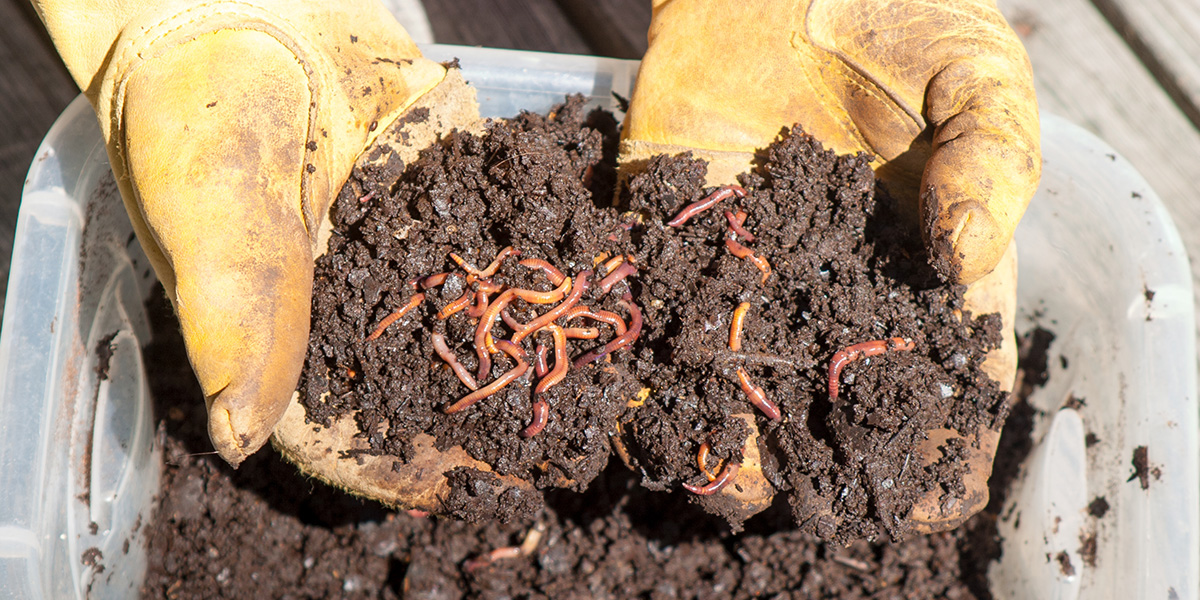
From beetles to worms, insects play a visible role in decomposition. Tunneling through the soil, accelerates the breakdown process and contributes to the nutrient cycle.
FAQs: Unveiling Insights
How do decomposers impact soil health? Decomposers enhance soil health by releasing vital nutrients during the decomposition process. This nutrient-rich soil, in turn, supports robust plant growth.
Can decomposers mitigate climate change? Yes, decomposers influence climate change by regulating the release of greenhouse gases during decomposition. Understanding this role is crucial for addressing environmental challenges.
Are decomposers essential for human survival? Absolutely. Decomposers contribute to nutrient cycling, supporting the growth of crops and ensuring the availability of essential resources for human sustenance.
Do decomposers play a role in preventing diseases? Indeed, decomposers act as a natural defense against diseases by breaking down potential breeding grounds for pathogens.
How fast do decomposers work? The speed of decomposition varies, influenced by factors like temperature, moisture, and the type of organic matter. In optimal conditions, decomposition can occur rapidly.
Are all decomposers microscopic? No, decomposers come in various sizes. While bacteria and fungi are microscopic, insects like beetles and worms are visible contributors to decomposition.
Conclusion:
In unraveling the role of decomposers in ecosystems, we discover the intricate ballet that sustains life on our planet. From enriching the soil to regulating climate, these unsung heroes play a pivotal part in maintaining the delicate balance of nature. As we embrace a deeper understanding of their significance, let us champion efforts to preserve and protect the vital role of decomposers in our precious ecosystems.