When we ask which was the most popular first generation computer in the history of computing, we are looking back to a pivotal moment that fundamentally shaped modern digital technology. The first generation of computers marks the beginning of the electronic age in computing, where machines powered by vacuum tubes replaced earlier mechanical devices and set the stage for the computers we use today. These early marvels were monumental in size, complexity, and ambition, and their development laid the groundwork for all later innovations in computer science.
Table of Contents
ToggleIn this comprehensive article, we will explore the era of first-generation computers, focusing on the iconic machines that defined this period, their technology, their legacy, and why certain models rose to prominence among researchers, universities, and businesses.
Origins of the First Generation of Computers
What Defines First-Generation Computers?
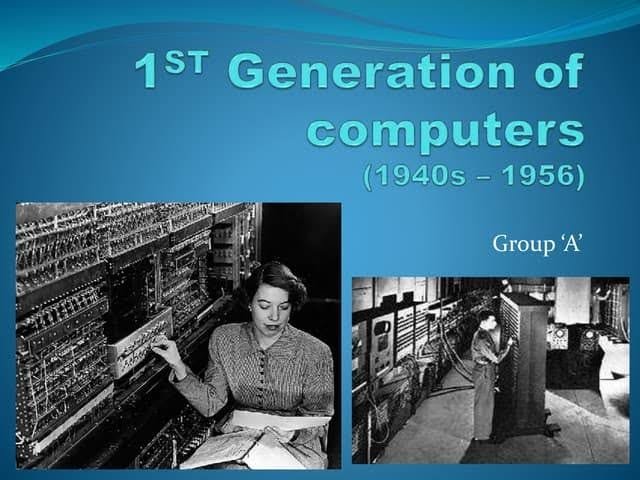
The first generation of computers refers to the earliest electronic computing machines developed from the mid-1940s through the late 1950s. These systems were primarily built around vacuum tube technology, which served as the core component for electrical switching and amplification. This innovation marked a dramatic shift from mechanical or electromechanical components to fully electronic systems capable of faster calculations.
Vacuum tubes were large glass enclosures that controlled electrical currents to perform logical operations. While revolutionary at the time, they had significant drawbacks: they consumed large amounts of power, generated intense heat, and were prone to frequent failures. Despite these challenges, this generation ushered in the first era of true electronic computation.
Key Features of First-Generation Computers
Vacuum Tubes: The Heart of Early Machines
Vacuum tubes served as the critical hardware in first-generation computers, acting as electronic switches that controlled computational logic. These tubes replaced slower mechanical relays and enabled machines to operate at significantly higher speeds, though still modest by today’s standards.
Enormous Size and Resource Needs
First-generation computers were massive — many filled entire rooms or halls. Their physical footprint was a reflection of the technology: rows of vacuum tubes, extensive wiring, cooling systems, and power delivery infrastructure were necessary to keep these machines running.
Programming and Input/Output Methods
Programming these early computers was a laborious process. Developers used machine language — the lowest-level programming language — and often relied on punch cards or magnetic tape to feed instructions and data. This method was slow and inflexible, yet it laid the foundations for later advancements in software.
Notable First-Generation Computers
ENIAC – The Pioneer of Electronic Computation
One of the most significant computers of this era was ENIAC (Electronic Numerical Integrator and Computer). Completed in 1946, this machine is often credited as the first programmable general-purpose electronic computer. ENIAC’s design included thousands of vacuum tubes and could perform calculations thousands of times faster than earlier machines.
Although ENIAC wasn’t a mass-produced machine, its introduction demonstrated the potential of electronic computing and inspired further developments in the field.
UNIVAC I – First Commercial Success
The UNIVAC I (Universal Automatic Computer I) was another important first-generation machine. Designed for both business and scientific applications, UNIVAC became widely known for its role in early data processing tasks and set the standard for commercially available computers.
SEAC and CSIRAC – Hidden Gems of Early Computing
Other notable systems included SEAC (Standards Eastern Automatic Computer), developed in the United States and one of the first stored-program computers, and CSIRAC, Australia’s first digital computer and one of the earliest electronic machines in the world.
The Most Popular First Generation Computer: The IBM 650
Among all first-generation machines, the IBM 650 Magnetic Drum Data Processing Machine stands out as the most popular and influential. Originally introduced in the mid-1950s, the IBM 650 was not the very first computer ever built, but it became the most widely installed and commercially significant of its generation.
Why IBM 650 Dominated Its Era
- Mass Production: IBM produced almost 2,000 units of the 650, a remarkable achievement at a time when most electronic computers were custom-built or produced in very limited numbers.
- Commercial & Academic Appeal: Its versatility made the IBM 650 suitable for business data processing, scientific research, and academic instruction, fostering a generation of programmers trained on its hardware.
- Affordable and Accessible: While still expensive by today’s standards, the IBM 650 was more affordable and accessible compared to many contemporaries, broadening its reach across universities and industries.
The IBM 650’s impact was so profound that historians often refer to it as the “workhorse” of early computing, due to its widespread use and enduring influence on the growth of computer science.
For further details on the IBM 650, see the comprehensive overview on Wikipedia
The Legacy of First-Generation Computers
Paving the Way for Future Generations
The first generation of computers, including groundbreaking machines like ENIAC, UNIVAC I, and the IBM 650, laid the foundations for all modern computing systems. These machines proved that electronic computation was not only possible but also practical, even if early devices were massive, expensive, and limited in capability.
Education and Workforce Impact
By placing computers in universities and research labs, first-generation machines helped build the early workforce of programmers, engineers, and theorists who would go on to shape the field of computer science.
Technologies That Evolved from First-Generation Concepts
Transition to Transistors
The next major leap after the vacuum tube era was the introduction of transistors, which significantly reduced the size, power consumption, and heat generation of computers. This advancement marked the beginning of the second generation of computers.
The Influence on Modern Computing
Though first-generation computers are primitive by today’s standards, they introduced key ideas — such as electronic logic circuits, stored-program architecture, and digital data processing — that remain central to computing.
Related Insights and Reading
For more technology-focused insights and content related to early computing and digital advances, you may find the following internal resources useful:
- discusses modern AI technology and innovation trends.
- explores risks in modern computing environments.
Conclusion
The IBM 650 remains widely recognized as which was the most popular first generation computer due to its extensive use, educational impact, and commercial success during the earliest years of electronic computing. While not the very first computer, its influence on the emergence of digital technology is undeniable and highlights a transformative period in computing history that led to today’s digital world.