


Introduction
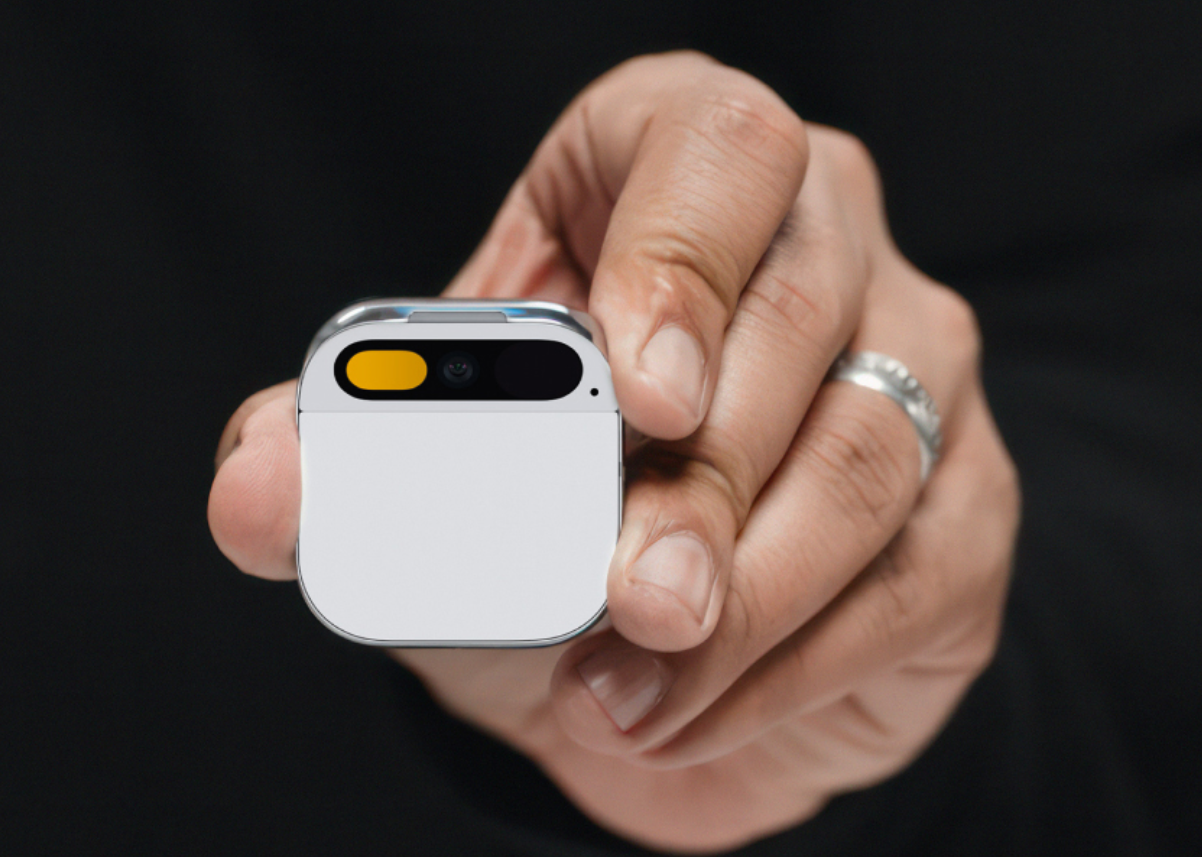
Wearable technology has evolved from simple fitness trackers to sophisticated health monitors, smart clothing, and augmented reality (AR) glasses. At the heart of this transformation is Artificial Intelligence (AI), which enables wearables to process vast amounts of data, learn user behavior, and deliver personalized experiences. As AI continues to advance, it is revolutionizing how wearables integrate into our daily lives—enhancing health monitoring, improving productivity, and even reshaping entertainment.
This article explores how AI is powering the future of integrated wearable tech, the key innovations driving this evolution, and the potential challenges ahead.
1. AI-Driven Health and Fitness Monitoring
One of the most significant impacts of AI in wearables is in healthcare and fitness. Modern smartwatches and biosensors now use AI algorithms to:
-
Track vital signs (heart rate, blood oxygen, sleep patterns) with greater accuracy.
-
Predict health risks by analyzing trends in data (e.g., detecting irregular heartbeats linked to atrial fibrillation).
-
Personalize fitness recommendations by adapting workouts based on performance and recovery data.
For example, Apple Watch’s ECG feature and Fitbit’s stress management tools rely on AI to provide real-time insights. Future wearables may even predict illnesses before symptoms appear, thanks to AI-powered diagnostics.
2. Smart Clothing and AI-Powered Fabrics
Beyond wrist-worn devices, smart clothing is emerging as the next frontier in wearables. AI enhances these garments by:
-
Adjusting temperature based on environmental conditions (e.g., AI-powered heated jackets).
-
Monitoring muscle activity for athletes and physical therapy patients.
-
Detecting posture issues and suggesting corrections via haptic feedback.
Companies like Google’s Project Jacquard and Ralph Lauren’s PoloTech are integrating AI-driven sensors into fabrics, enabling seamless interaction between clothing and smartphones.
3. Augmented Reality (AR) Glasses and AI Vision
AI is also transforming AR wearables, such as smart glasses like Meta Ray-Ban and Apple Vision Pro. These devices use AI for:
-
Real-time object recognition (identifying products, translating signs).
-
Enhanced navigation with AI-powered directions overlaid on the real world.
-
Personalized virtual assistants that understand context and provide hands-free help.
As AI models like GPT-4 and computer vision algorithms improve, AR glasses will become more intuitive, making them essential for both consumers and professionals.
4. AI in Brain-Computer Interface (BCI) Wearables
The most futuristic application of AI in wearables is Brain-Computer Interfaces (BCIs), which allow direct communication between the brain and devices. Companies like Neuralink (Elon Musk) and NextMind are developing AI-powered BCIs that:
-
Control devices with thoughts (e.g., moving a cursor or typing without physical input).
-
Assist paralyzed patients in operating prosthetics or wheelchairs.
-
Enhance cognitive performance through neurofeedback training.
While still in early stages, AI-driven BCIs could redefine human-computer interaction in the next decade.
5. Challenges and Ethical Considerations
Despite the exciting advancements, AI-powered wearables face several challenges:
-
Privacy concerns: Wearables collect sensitive health and location data, raising cybersecurity risks.
-
Battery limitations: AI processing demands more power, requiring breakthroughs in energy efficiency.
-
Regulatory hurdles: Medical-grade wearables must comply with strict FDA and GDPR regulations.
Addressing these issues will be crucial for widespread adoption.
Conclusion
AI is the driving force behind the next generation of wearable technology, making devices smarter, more intuitive, and deeply integrated into our lives. From health monitoring to AR glasses and brain-computer interfaces, AI-powered wearables are set to revolutionize industries and improve quality of life.
As technology advances, collaboration between AI researchers, wearable manufacturers, and policymakers will ensure these innovations are both groundbreaking and secure. The future of wearables is not just about wearing technology—it’s about seamlessly blending AI into our everyday experiences.
