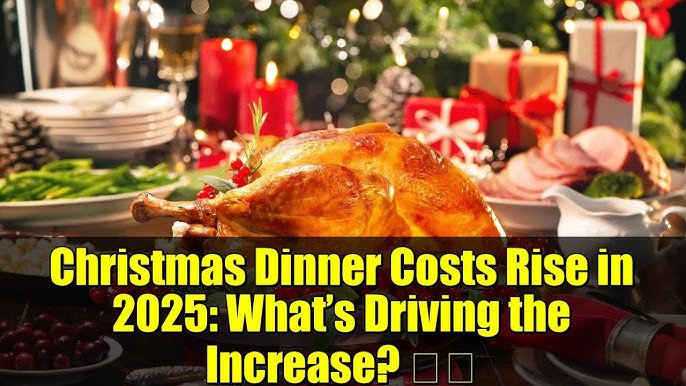
Christmas dinner — a time-honored tradition of feasting with family and friends — is feeling a lot less festive at the checkout. In many countries around the world, households are reporting higher grocery bills, particularly for the foods associated with holiday meals: turkeys, hams, fresh vegetables, dairy, and seasonal produce. But why exactly are the costs going up this year? It’s a complicated mix of economic pressures, supply chain disruptions, weather extremes, and global market forces. This article explores the key drivers behind rising Christmas dinner prices and unpacks what’s really affecting consumers at the grocery store.
1. Supply Chain Disruptions Are Still Reverberating
Although the worst of the pandemic’s impact on supply chains has eased, disruptions are far from over. For years, COVID-19 restrictions caused labor shortages, port backlogs, and transportation delays. These disruptions didn’t instantly disappear once restrictions lifted. Instead, they evolved into chronic bottlenecks in shipping and freight services.
Many wholesalers and producers have responded by building redundancies or moving to smaller, more frequent deliveries — practices that increase costs. Even a single delay at a major port can ripple across an entire supply chain, leading to fewer products on the shelves and higher prices for those that do arrive.
Christmas dinner staples, such as cranberries, potatoes, turkey, and fresh greens, often travel long distances — sometimes across continents. Every link in that chain adds complexity and cost, especially when capacity is tight and demand spikes during the holiday season.
2. Higher Energy and Fuel Prices Raise Production and Transport Costs
Energy costs have been volatile in recent years, with oil and natural gas prices influencing virtually every sector of the economy. Farms use fuel for tractors, irrigation, and transporting goods. Processing plants require energy for heating, refrigeration, and packaging. Trucks, trains, and ships burn diesel or fuel oil to move products from farm to table.
When energy prices rise — whether due to geopolitical instability, natural disasters, or fluctuations in global markets — farmers and food producers face higher operating costs. These added expenses are usually passed along to retailers and, ultimately, to consumers.
For holiday foods that depend on refrigeration (like dairy products, fresh meats, and vegetables), energy costs are especially significant. Maintaining cold chain logistics over long distances is expensive, and those costs climb sharply during seasons of high demand.
3. Labor Shortages and Wage Pressures
Labor shortages continue to haunt agricultural and food processing sectors. Harvesting crops, processing meat, and staffing grocery stores all require significant manpower. However, many workers left these industries during the pandemic and have not returned in full numbers.
To attract workers, farms and food processors have raised wages. While higher pay is positive for workers, it increases production costs for employers. Food prices reflect these increases, contributing to more expensive products on the supermarket shelf.
Retailers themselves are also grappling with higher labor costs. Holiday seasons typically require more staff to meet increased customer demand. Whether through hiring seasonal workers or paying regular employees overtime, labor costs increase around Christmas, and some of that is reflected in retail pricing.
4. Higher Input Costs: Feed, Fertilizer, and Seeds
Farmers don’t produce food in a vacuum — they rely on a range of agricultural inputs like animal feed, fertilizer, seeds, and pesticides. Many of these inputs have seen price hikes.
For instance, higher fertilizer prices — influenced by global energy costs and market competition — make growing crops more expensive. Livestock producers face higher feed costs as grain prices rise. These increased production costs are factored into the final price of meat, dairy, and produce.
Similarly, weather extremes in recent seasons — droughts, heatwaves, and heavy rainfall — have reduced yields for several crops. Poor harvests mean less supply and higher prices for consumers.
5. Inflation and Currency Fluctuations
Inflation has been a global concern. When the general price level across the economy rises, consumers see the effects everywhere — from fuel to groceries. In some countries, inflation rates are higher than they have been in decades, eroding purchasing power and inflating the cost of food.
In addition, currency fluctuations can influence import costs. Countries that import significant amounts of food may face a weaker local currency against stronger global currencies. A weaker currency makes imports more expensive — and foods like exotic fruits, nuts, spices, or certain meats become costlier for consumers.
Christmas dinner items that rely on imported goods (such as nuts, dried fruits, specialty cheeses, and olives) are particularly sensitive to currency shifts. The stronger the currency imbalance, the more households pay.
6. Increased Demand During the Holiday Season
Christmas dinner has some predictable demand patterns: turkey sales surge, seasonal produce moves quickly, and certain desserts skyrocket in popularity. Retailers often anticipate this and adjust supply orders accordingly. But when global and national factors tighten supply, retailers may not be able to stock as much as they’d like, or they may have to source products at a premium.
Competition for limited goods drives prices up. For example, if several major grocers are bidding for the same limited supplies of fresh cranberries or hams, suppliers may raise prices. This isn’t just about overall demand — it’s about seasonal spikes in demand that coincide with supply constraints.
7. Environmental Forces and Weather Extremes
Climate change has made weather patterns less predictable, with lingering effects on agriculture. Drought in one region, flooding in another, and unusual temperature swings can all suppress crop yields and reduce livestock productivity. These environmental challenges raise production costs and reduce supply, a combination that pushes prices upward.
Recent extremes — whether unseasonal freezes, droughts, or storms — have affected key ingredients in Christmas meals. For example, harsh weather can reduce the harvest of winter vegetables and root crops, forcing retailers to source from other regions at higher cost.
8. Retail Strategies, Packaging, and Marketing Costs
Retailers themselves are part of the pricing puzzle. Holiday season displays, special packaging, and marketing campaigns add to operational costs. Seasonal promotions often require extra staff, longer working hours, and additional logistics. All of these factors can influence pricing decisions.
Some retailers also adjust pricing dynamically — raising prices where demand is strongest or where supplies are leanest. While this isn’t the sole driver of cost increases, it can amplify the effects of existing supply constraints.
What Does This Mean for Consumers?
The cumulative impact of supply chain issues, higher energy and labor costs, inflation, climate impacts, and seasonal demand means many consumers will pay more for their holiday meals. Families who have always treated Christmas dinner as an inexpensive tradition may find themselves reimagining the menu or shopping strategies.
Savvy consumers may opt for early shopping, bulk purchasing, or selecting alternative ingredients. For example, smaller birds instead of large turkeys, local produce instead of imported goods, or plant-based options where meat prices are steep.
Budgeting ahead of the holidays, making a detailed shopping list, and comparing prices across stores can also help manage costs. Many households find that planning meals in advance and avoiding impulse buys during the holiday rush reduces overall spending.
Conclusion
This year’s higher Christmas dinner costs are not the result of a single cause — but rather a convergence of multiple economic and environmental pressures. From lingering supply chain disruptions to rising energy costs, labor shortages, weather impacts, and inflation, the factors driving food prices are complex and interconnected.
Understanding these forces can help families make informed choices about how to celebrate the holidays without sacrificing tradition. Ultimately, while the price tag of Christmas dinner may be higher, the spirit of the season — gathering with loved ones — remains free.