Introduction
In an era where efficient space management impacts both personal life and business growth, Owning Storage Units has become a strategic decision for many individuals and entrepreneurs. Whether you are a homeowner seeking extra space or a small business owner needing scalable storage, knowing the benefits and drawbacks of owning storage units is crucial before making a commitment.
This comprehensive guide will explore all aspects of Owning Storage Units — from economic advantages and risks to practical considerations for long-term use. By the end, you will have a clear understanding of why many people choose storage as a solution and what challenges you may need to prepare for.
The Concept of Owning Storage Units
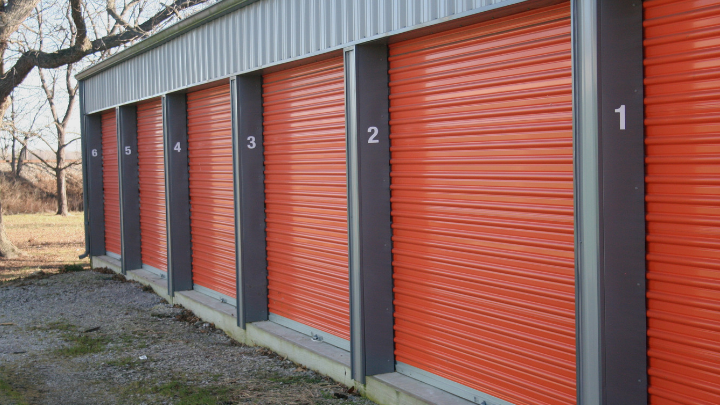
Owning storage units refers to acquiring or operating spaces where goods, equipment, documents, or personal items can be kept securely for short or long durations. These units can range from small lockers to large warehouse spaces, and they are used by both individuals and businesses to meet various needs. Consumers often choose storage space to declutter homes, support transitions like moving or renovation, or keep seasonal possessions safe. Businesses might use storage to manage excess stock, equipment, or archived records without committing to expensive commercial property expansion.
While the idea sounds straightforward, successful ownership requires careful consideration of costs, security, and practical use cases. The following sections break down the advantages and disadvantages — helping you decide if this investment aligns with your goals.
Key Advantages of Owning Storage Units
Owning storage units can offer multiple benefits, whether you’re aiming to improve lifestyle convenience or manage commercial operational challenges. Below are the major pros to consider:
1. Extra Space for Home and Lifestyle
One of the most direct benefits of Owning Storage Units is the availability of additional space. Modern living environments — especially in urban areas — often lack adequate room for seasonal items, heirlooms, unused sports gear, or furniture. Instead of tightly packing every item into small closets or living spaces, a dedicated storage space gives you freedom to organize your home better. Removing clutter not only makes a home more comfortable but also enhances mental clarity and living quality.
This extra space is valuable during life transitions such as relocating, renovating, or when hosting guests for extended periods. Instead of making hasty decisions about discarding valued items, storage offers a safe place for temporary holding until needed again.
2. Support for Business Operations
Businesses thrive when they can operate efficiently — and space plays an important role in that. Owning Storage Units can give enterprises flexible and secure room for inventory, materials, tools, archived records, or seasonal goods. For many small and medium-sized businesses, using storage units is more cost-effective than leasing new commercial space or warehouse facilities. This enables better focus on core activities such as service improvement, customer management, and growth efforts without heavy long-term property costs.
Storage solutions can also support logistics operations, making it easier to manage deliveries, packaging, and order fulfillment. In fact, some enterprises treat storage as an extension of their business workflows, allowing stock to be organized and accessed according to demand.
3. Flexible and Scalable Use
Flexibility is a major advantage when Owning Storage Units. Unlike traditional leases for commercial spaces — which often require years of commitment and high monthly rents — storage units allow relatively flexible contracts. You can adjust your usage based on changing needs, whether that means downsizing, expanding, or temporarily holding possession during life changes.
This scalability makes storage ideal for seasonal businesses, online sellers, event planners, and contractors who might need varying amounts of space at different times of the year.
4. Enhanced Security and Protection
Professional storage facilities invest heavily in security infrastructure, offering features like surveillance cameras, gated entry, individual unit alarms, and climate control options. These precautions help protect stored items — from sensitive documents to delicate equipment — from theft, environmental damage, or wear over time. A well-maintained facility often includes clean and controlled conditions, reducing risks of moisture damage, pests, or surface deterioration.
This level of protection sometimes exceeds what is available at home, especially for high-value goods or archival materials that require stable environments.
5. Peace of Mind and Organization
Psychological comfort and organization should not be underestimated. Knowing that belongings are safe, accessible, and neatly stored gives individuals and business owners peace of mind. This clarity supports a more productive home or work environment — free from frequent searching for misplaced possessions or dealing with overcrowded storage corners.
Effective organization also helps during key activities like preparing for tax seasons, moving, or planning large family events. Many people find they spend less time managing clutter and more on meaningful pursuits when storage is part of their space strategy.
Drawbacks and Challenges of Owning Storage Units
While the benefits are attractive, Owning Storage Units also comes with potential drawbacks. These risks should be weighed carefully before deciding:
1. Ongoing Costs and Commitments
Owning or renting storage units means committing to recurring payments, insurance premiums, and maintenance expenses. Although it may be cheaper than leased property, these costs still accumulate over time. Some units charge monthly or annual fees that, when added up, can represent a significant investment.
Budgeting for storage needs is important — especially if the unit sits mostly unused. Many owners find it easy to underestimate expenses, leading to unnecessary financial burdens.
2. Risk of Underuse or Waste
Because storage units are convenient, people sometimes resort to storing items indefinitely — even when they no longer serve a purpose. This phenomenon — often called “storage creep” — can lead to wasted space and money without real benefit.
Without regular assessments of what should be kept versus discarded, a storage unit can become just another cluttered room, defeating the original purpose of organized storage and simplification.
3. Accessibility Limitations
Storage units provide security, but that sometimes means limited access. Depending on facility policies, you may only be able to enter the unit during certain hours or need advance scheduling. This can be inconvenient if urgent retrieval is needed.
Additionally, if the unit is located far from your home or business, the travel time can be a practical challenge — particularly for frequent use.
4. Security Has Limits
While professional facilities have strong security measures, no system is completely foolproof. Improper packing, weak locks, or storing prohibited items can put your goods at risk. In rare scenarios, damage from improper handling, unforeseen weather events, or facility issues can still occur.
Responsible storage requires proper planning, regular unit checks, and choosing facilities with proven reliability records.
5. Responsibility for Organization
Owning storage space doesn’t automatically mean things stay tidy. Without a system for labeling, organizing, and categorizing items, retrieval can become frustrating. For businesses, disorganized storage can slow operations and increase the time needed to manage inventory — offsetting some advantages of having the space in the first place.
Practical Application: Who Benefits Most?
Owning storage units can support different users depending on their lifestyle or business needs:
Homeowners and Transitions
Whether you’re downsizing, renovating, preparing for travel, or storing sentimental items, storage adds flexibility without crowding your living space.
Seasonal Business Operators
Businesses that experience fluctuating demand — such as holiday sellers or event planners — can use storage to hold materials during off-seasons, conserving cash flow and simplifying operations.
Online Sellers and Retailers
E‑commerce businesses often outgrow home storage as inventory expands. A dedicated storage unit becomes a hub for packing, unpacking, and fulfilling orders without renting expensive warehouse space.
Professionals and Contractors
Tradespeople and mobile service providers frequently accumulate tools and materials that might not fit in personal vehicles or temporary office space. Storage provides a central location for equipment ready for use.
Choosing the Right Storage Setup
If you decide that Owning Storage Units aligns with your goals, here are key factors to evaluate when choosing a space:
Unit Size and Type
Different needs require different spaces. Measure what you plan to store before selecting a unit size to avoid overpaying. Some facilities offer climate-controlled units — ideal for sensitive materials, while others provide basic units for durable equipment.
Location and Access
Choose a facility that’s convenient to reach. If frequent access is anticipated, closer locations reduce travel time and effort.
Security Features
Look for surveillance cameras, gated entries, on‑site staff presence, and alarm systems. These add layers of protection for your belongings.
Contract Terms
Understand fees, contract lengths, and cancellation policies before signing. Flexible month‑to‑month options can be beneficial for unpredictable needs.
Find Local AC and Heating Repair Services: Your Ultimate Guide — discusses service optimization for essential business equipment.
Conclusion
Owning storage units presents a strategic opportunity for space optimization, business support, and practical convenience in personal life. The benefits — from added security and flexible space to enhanced organization and growth support — make storage an attractive option for many users. However, it also comes with costs, potential waste of resources, and responsibilities that should be thoughtfully managed.
Before deciding, weigh your specific needs, financial capacity, and long‑term goals. When chosen and used wisely, storage units can be more than just empty rooms — they become tools for efficiency, peace of mind, and future‑ready planning.
Professional Accounting and Bookkeeping Services and Their Importance — offers insight into efficient record keeping and financial health.