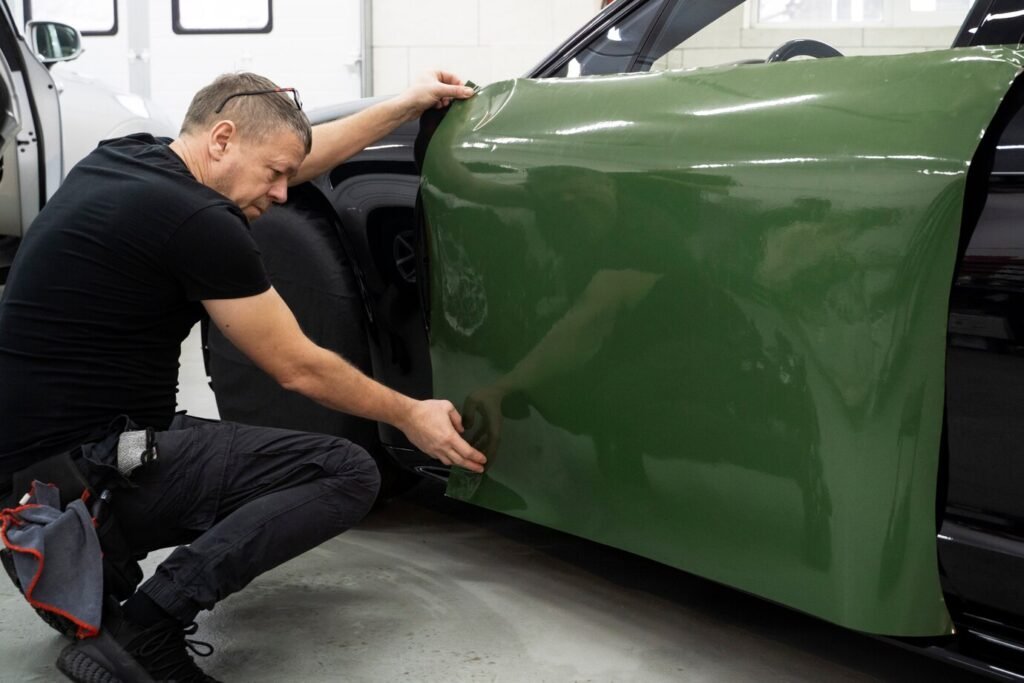
Las Vegas is tough on vehicles. Intense sunlight, high temperatures, dust, and long stretches of dry weather can make protecting and maintaining a car more challenging than it is in many other cities. For drivers looking to improve their vehicle’s appearance while adding some practical protection, two popular options are car wraps Las Vegas and window tinting.
But these services solve different problems. A wrap changes the exterior of your vehicle, while window tint is designed primarily to manage sunlight and heat inside the cabin. So, which investment makes more sense?
The answer depends on what you want from your vehicle.
Car Wraps: Exterior Style and Paint Protection
A vehicle wrap uses large sheets of automotive-grade vinyl applied over the existing paint. It can dramatically change the color, finish, or overall appearance of a car without permanently repainting it.
For Las Vegas drivers, one of the biggest advantages is versatility. You can choose from gloss, matte, satin, metallic, textured, and other finishes. A wrap can also be removed later, making it appealing to owners who want to experiment with their vehicle’s appearance without committing to a permanent paint job.
A quality wrap can provide a layer of protection against everyday environmental exposure, including minor surface scratches, road debris, and sun exposure. However, it isn’t a substitute for paint-protection film or professional paint care when maximum protection is the priority.
Another consideration is maintenance. A wrapped vehicle still needs proper washing and care. Using unsuitable cleaning products, aggressive brushes, or improper washing techniques can shorten the life of the vinyl.
Window Tint: Cabin Comfort and Solar Control
Unlike a wrap, window tint doesn’t change the exterior body of the vehicle. Instead, professionally installed automotive film is applied to the windows to reduce the amount of visible light and solar energy entering the cabin, depending on the film selected.
This can be particularly useful in the Las Vegas climate.
A quality tint can make the interior feel more comfortable during sunny drives and can help reduce glare. Certain films can also provide ultraviolet and infrared rejection, depending on their construction and specifications.
That’s why car window tinting Las Vegas services are often considered a practical upgrade rather than simply a cosmetic modification.
Tint can also enhance privacy and give a vehicle a more finished appearance. However, drivers should choose a film and darkness level that comply with Nevada’s applicable window-tint regulations.
Car Wraps vs. Window Tint: A Side-by-Side Comparison
| Feature | Car Wrap | Window Tint |
|---|---|---|
| Primary purpose | Exterior appearance and surface protection | Solar control, comfort, glare reduction and privacy |
| Location | Vehicle body panels | Vehicle windows |
| Changes vehicle color | Yes | No |
| Helps manage cabin heat | Indirectly | Yes |
| Adds exterior styling | Significant | Moderate |
| Protects original paint | Yes, to a degree | Not applicable |
| Customization | Extensive | Mainly film type and shade |
| Best for | Drivers focused on appearance and exterior protection | Drivers focused on cabin comfort and sun management |
Which Upgrade Offers More Value?
There isn’t a universal winner because the two services have different goals.
Choose a car wrap if your priority is changing the vehicle’s appearance, preserving the look of the original paint underneath, or creating a distinctive finish without repainting the car.
Choose window tint if your biggest concerns are intense sunlight, glare, interior comfort, and privacy.
For many vehicle owners, doing both can make sense. A well-chosen wrap addresses the exterior, while professionally installed window film addresses the cabin environment. Together, they can create a more comfortable and personalized vehicle without requiring a permanent paint makeover.
What Should Las Vegas Drivers Consider Before Choosing?
Start with the condition of the vehicle. A wrap generally requires a clean, sound surface for the best result. Existing paint damage, contamination, or poorly repaired bodywork can affect the finished appearance.
For tinting, consider the type and quality of the film rather than choosing solely by price. Different films offer different levels of heat rejection, UV protection, appearance, durability, and optical clarity.
Installation quality matters just as much as the material. Poorly installed vinyl can develop visible edges, bubbles, lifting, or premature wear. Poor window-film installation can result in bubbles, uneven edges, or reduced visibility.
In other words, the cheapest quote isn’t necessarily the best value.
The Bottom Line
Car wraps and window tinting aren’t competing solutions so much as complementary upgrades.
Wraps are best suited to drivers who want to transform their vehicle’s appearance while adding a layer of protection over the original finish. Window tinting is the more practical choice for managing sunlight, glare, privacy, and cabin comfort.
If you’re deciding between the two, identify the problem you want to solve first. Want a new look? Start with a wrap. Want a cooler, more comfortable cabin? Look at window film. Want both exterior customization and interior comfort? Combining the services may provide the most complete upgrade.
The key is to work with an experienced installer who uses appropriate automotive materials, understands the local climate, and can explain the differences between available products rather than simply selling you the most expensive option.



Leave a Reply