Artificial Intelligence (AI) is transforming the way we communicate. From chatbots and virtual assistants to AI-powered customer service and content generation, machines are increasingly interpreting, responding to, and even mimicking human language. In this new era, the way we speak—our tone, clarity, and intent—has never carried more weight.
As AI becomes a mediator in conversations, misunderstandings can arise not just between people but between humans and machines. Poorly phrased requests, ambiguous language, or emotional undertones can lead to incorrect responses, frustration, and even unintended consequences. Whether you’re interacting with AI for work, customer service, or personal use, refining how you communicate is essential.
Why Your Words Matter More Than Ever
1. AI Doesn’t Understand Context Like Humans Do
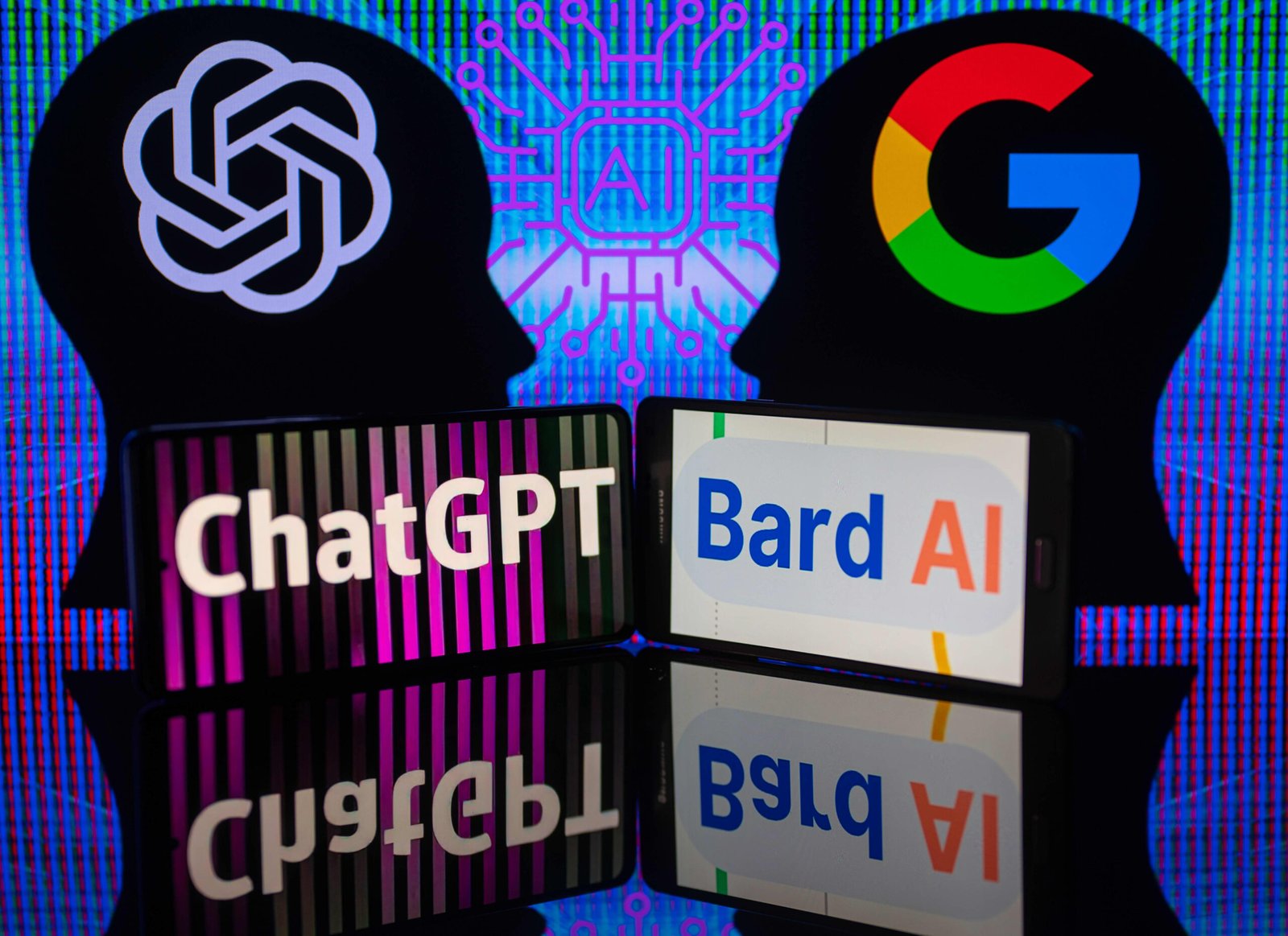
While AI models like ChatGPT, Gemini, and Claude are incredibly advanced, they still lack true human intuition. They rely on patterns in data rather than genuine comprehension.
-
Example: If you ask an AI, “What’s the best way to cool down?” it might give tips on reducing heat in a room rather than emotional stress relief—unless you specify.
-
Solution: Be precise. Instead of vague prompts, use clear, direct language: “What are effective techniques to reduce stress quickly?”
2. Tone and Politeness Influence AI Responses
Research shows that AI systems respond differently based on phrasing. Polite, structured requests often yield better results than abrupt or unclear ones.
-
Example:
-
Poor: “Fix this grammar.”
-
Better: “Can you help improve the grammar in this paragraph for a professional email?”
-
-
Why it matters: AI models are trained on vast datasets that include formal and informal language. A well-structured prompt aligns better with high-quality training data, leading to better outputs.
3. Bias and Misinterpretation Risks
AI can inadvertently amplify biases or misinterpret intent based on phrasing.
-
Example: A recruiter using an AI tool might ask, “Find me strong candidates for the engineering role,” which could lead the AI to prioritize traditionally male-dominated interpretations unless clarified.
-
Solution: Neutral, inclusive language helps: “Find me qualified candidates for the engineering role, ensuring a diverse pool.”
4. The Rise of AI-Assisted Professional Communication
Many professionals now use AI to draft emails, reports, and even negotiation scripts. The way you input instructions determines the output’s effectiveness.
-
Weak Prompt: “Write a sales email.” → Generic result.