Introduction
The fight against climate change has given rise to a new wave of innovation—Climate Tech. Among the most pressing environmental challenges is air pollution, which contributes to millions of premature deaths annually and accelerates global warming. Addressing this crisis requires real-time data, advanced analytics, and scalable solutions.
Enter Respirer Living Sciences, an Indian startup revolutionizing air quality monitoring with cutting-edge technology. By making air pollution data accessible and actionable, Respirer is empowering governments, businesses, and citizens to take informed steps toward cleaner air.
This article explores Respirer’s air quality revolution, its impact on climate tech, and how it is shaping a sustainable future.
The Air Pollution Crisis: Why It Matters
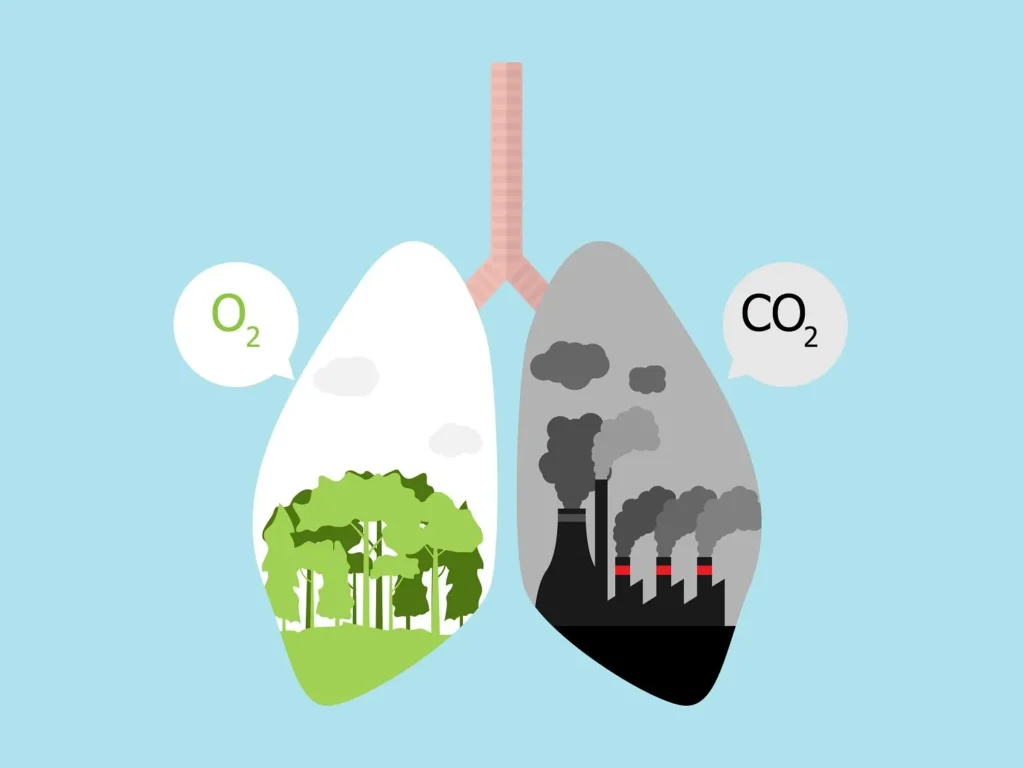
Air pollution is one of the world’s most severe environmental health risks. According to the World Health Organization (WHO), 99% of the global population breathes air that exceeds safe pollution limits. Key pollutants like PM2.5, PM10, NO₂, SO₂, and CO contribute to respiratory diseases, cardiovascular problems, and climate change.
Despite its severity, air quality monitoring has been expensive, sporadic, and inaccessible in many regions. Traditional monitoring stations cost hundreds of thousands of dollars, limiting deployment to major cities. This lack of data makes it difficult to implement effective policies.
This is where Respirer steps in.
Respirer’s Vision: Democratizing Air Quality Data
Founded in 2017, Respirer Living Sciences set out with a mission: to make air quality data transparent, affordable, and actionable. The company leverages IoT-enabled sensors, AI-driven analytics, and cloud computing to provide real-time air quality insights.
Key Innovations by Respirer:
-
Affordable & Scalable Sensors
-
Respirer’s low-cost air quality monitors provide accurate readings of key pollutants.
-
These devices are 10x cheaper than traditional monitoring stations, enabling widespread deployment.
-
-
Real-Time Data & Analytics
-
Data is transmitted to a centralized cloud platform, allowing users to track pollution trends.
-
AI models predict pollution spikes, helping cities take preventive measures.
-
-
Hyperlocal Monitoring
-
Unlike government stations that cover large areas, Respirer’s sensors provide street-level insights.
-
This helps identify pollution hotspots (e.g., near factories, traffic junctions).
-
-
Public Awareness & Engagement
-
Respirer’s Atmos app allows citizens to check real-time air quality in their neighborhoods.
-
Businesses and schools use the data to adjust outdoor activities on high-pollution days.
-
Climate Tech in Action: Respirer’s Impact
1. Empowering Smart Cities
Many Indian cities, including Mumbai, Delhi, and Bangalore, have integrated Respirer’s sensors into their Smart City initiatives. The data helps urban planners:
-
Optimize traffic flow to reduce vehicular emissions.
-
Monitor industrial compliance with pollution norms.
-
Plan green zones to improve air quality.
2. Corporate Sustainability
Companies are increasingly held accountable for their carbon footprint. Respirer partners with corporations to:
-
Track emissions from factories and supply chains.
-
Implement ESG (Environmental, Social, and Governance) strategies.
-
Ensure compliance with air quality regulations.
3. Citizen-Driven Change
By making air quality data publicly available, Respirer enables grassroots activism. Communities use the data to:
-
Demand stricter pollution controls.
-
Advocate for cleaner public transport.
-
Hold industries accountable for violations.
4. Climate Research & Policy
Governments and research institutions use Respirer’s long-term data to:
-
Study pollution trends.
-
Formulate evidence-based policies.
-
Measure the impact of climate initiatives (e.g., electric vehicle adoption).
The Future of Air Quality Tech
Respirer is just one example of how climate tech is driving environmental transformation. The next phase of innovation may include:
-
Satellite-Based Monitoring: Combining ground sensors with satellite data for global coverage.
-
Predictive AI: Forecasting pollution events days in advance.
-
Blockchain for Transparency: Immutable pollution records to ensure corporate accountability.
-
Integration with Smart Homes: Air purifiers and HVAC systems that auto-adjust based on real-time air quality.
As carbon neutrality becomes a global priority, startups like Respirer will play a crucial role in bridging the gap between data and action.
Conclusion: Breathing Easier with Climate Tech
Respirer Living Sciences exemplifies how technology can turn environmental challenges into solvable problems. By democratizing air quality data, the company is not just monitoring pollution—it’s enabling a cleaner, healthier future.