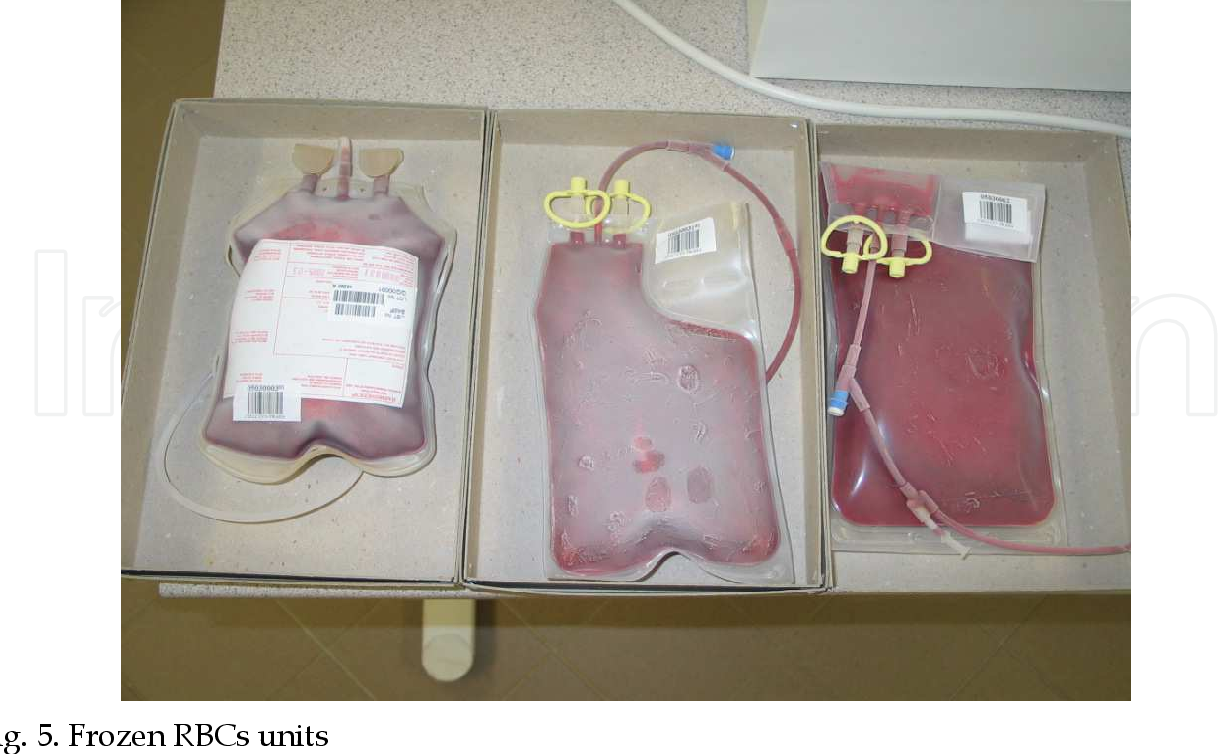
In the intricate tapestry of blood banking, the role of cryopreservation emerges as a pivotal chapter, offering a groundbreaking solution for preserving specialized blood components and extending their shelf life. This article explores the nuances of cryopreservation’s contribution to blood banking, with a focus on the preservation of vital blood components. Additionally, we delve into how the deep freezer used in the laboratory helps cryopreservation elevates the landscape of blood storage and transportation, ensuring the longevity and efficacy of blood products throughout their journey within the healthcare system.
The Essence of Cryopreservation: A Technological Marvel in Blood Banking
Cryopreservation involves the preservation of biological materials, such as blood components, at extremely low temperatures. The process entails cooling the specimens to temperatures below freezing, often reaching ultra-low temperatures, to halt biochemical reactions and cellular activities. This meticulous procedure serves as a safeguard against cellular degradation, enabling the storage of blood components for extended periods without compromising their quality.
Specialized Blood Components: The Cryopreservation Imperative
Blood, as a life-sustaining fluid, comprises an array of specialized components, each playing a unique role in medical treatments and interventions. Cryopreservation becomes particularly imperative when safeguarding these specialized blood components, such as plasma, platelets, and certain white blood cells.
- Preserving Plasma for Clotting Factors:
Cryopreservation is instrumental in preserving plasma, which contains essential clotting factors. This is critical in various medical scenarios, including surgical procedures, trauma care, and treatments for individuals with coagulation disorders.
- Platelet Cryopreservation for Prolonged Viability:
Platelets, crucial for blood clotting and wound healing, have a limited shelf life when stored conventionally. Cryopreservation extends the viability of platelets, ensuring a more prolonged window for their usage in medical treatments.
- Cryopreserving Stem Cells in Blood: A Gateway to Regenerative Medicine:
Cryopreservation plays a pivotal role in storing blood-derived stem cells, opening avenues for regenerative medicine and personalized therapies. This has transformative implications in treating various diseases and conditions.
Extending Shelf Life: Cryopreservation as a Timeless Shield
The conventional storage of blood components is subject to the ticking clock of shelf life limitations. Cryopreservation, however, serves as a timeless shield, allowing blood banks to extend the shelf life of vital components beyond the constraints of traditional storage methods.
- Platelets: From Days to Years:
Platelets, with their short shelf life of a few days under regular storage conditions, can be cryopreserved, extending their usability for years. This is particularly beneficial in ensuring a stable supply for rare blood types and during periods of low platelet donations.
- Long-Term Preservation of Plasma:
Cryopreservation facilitates the long-term preservation of plasma, ensuring that this essential blood component remains viable for extended periods. This is crucial for maintaining a comprehensive inventory for various medical needs.
- Stem Cells: A Window into Future Therapies:
Cryopreserved stem cells offer a glimpse into the future of regenerative medicine. By extending the shelf life of these cells, blood banks contribute to the development of advanced therapies that harness the potential of stem cells for treating diverse medical conditions.
Cryopreservation and Blood Storage: A Symbiotic Relationship
Cryopreservation does not exist in isolation; it is intricately linked with the broader context of blood storage. The synergy between cryopreservation and traditional storage methods creates a comprehensive approach to managing the diverse array of blood components.