https://finanzasdomesticas.com/plan-de-estimulo-joe-biden-aprobado

 Blog
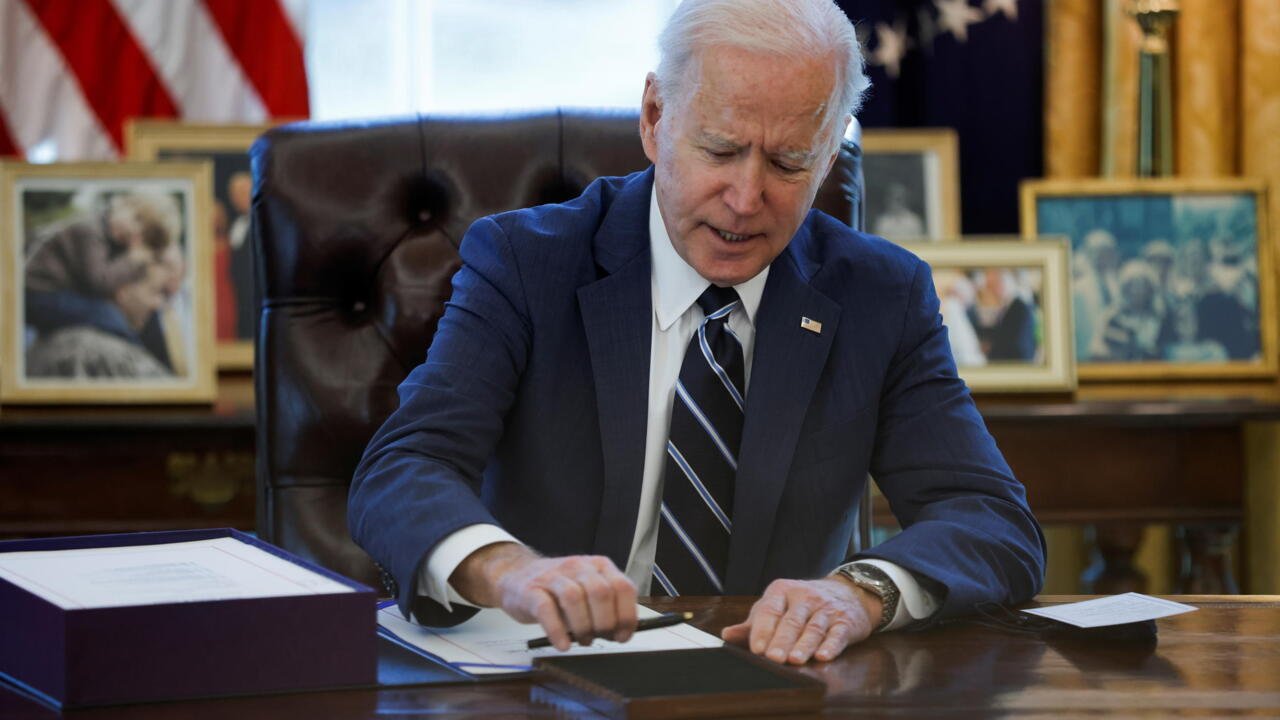
Blog The stimulus plan approved under President Joe Biden’s administration played a crucial role in the economic recovery of the United States following the COVID-19 pandemic. Officially known as the American Rescue Plan Act (ARPA), this $1.9 trillion relief package was enacted in March 2021. The plan aimed to provide financial aid to individuals, businesses, and state and local governments to counteract the economic downturn caused by the pandemic. This article explores the key components of the stimulus package, its impact on different sectors, and the long-term implications for the U.S. economy. https://finanzasdomesticas.com/plan-de-estimulo-joe-biden-aprobado
Key Components of the Stimulus Plan
The American Rescue Plan included various provisions designed to address multiple economic challenges. These included direct payments to individuals, extended unemployment benefits, small business assistance, child tax credits, and funding for vaccines and healthcare. Below is a detailed breakdown of the major components:
1. Direct Payments to Individuals
One of the most significant aspects of the stimulus package was the distribution of direct payments to eligible Americans. Individuals received up to $1,400 per person, with additional amounts allocated for dependents. These payments were intended to provide immediate relief for families struggling with financial hardships caused by the pandemic.
2. Unemployment Benefits Extension
To support those who lost their jobs during the pandemic, the plan extended unemployment benefits. This included an additional $300 per week in federal unemployment aid through September 2021. The extension helped millions of unemployed individuals sustain their living expenses while the economy gradually recovered.
3. Child Tax Credit Expansion
The ARPA significantly expanded the Child Tax Credit (CTC), increasing the amount from $2,000 to $3,600 per child under six years old and $3,000 for children aged 6-17. Additionally, the credit became fully refundable, meaning families with low or no taxable income could still benefit from it. The expanded CTC was distributed in monthly payments, providing essential support to families with children.
4. Small Business Assistance
Small businesses, which were among the hardest hit by the pandemic, received substantial support through the plan. The Paycheck Protection Program (PPP) was extended, offering forgivable loans to businesses to help retain employees. Additionally, funds were allocated to support restaurants, bars, and other industries significantly affected by the lockdowns.
5. Housing Assistance
To prevent evictions and foreclosures, the ARPA allocated billions of dollars for rental and mortgage assistance. The plan also extended the federal eviction moratorium, giving tenants additional time to secure financial stability and avoid homelessness.
6. Funding for Vaccines and Healthcare
A key component of the stimulus plan was funding for COVID-19 vaccines and healthcare infrastructure. Billions of dollars were directed toward vaccine distribution, testing, and the expansion of healthcare services to ensure a successful public health response to the pandemic.
Economic Impact of the Stimulus Plan
The American Rescue Plan had a profound impact on the U.S. economy, providing critical financial support to millions of Americans and helping accelerate economic recovery. Below are some of the notable effects:
1. Reduction in Poverty Rates
According to economic studies, the direct payments, expanded Child Tax Credit, and enhanced unemployment benefits contributed to a significant reduction in poverty rates. The measures lifted millions of Americans, particularly children, out of poverty and provided financial stability to low-income families.
2. Increased Consumer Spending
The direct stimulus payments and extended benefits resulted in increased consumer spending, which helped boost economic growth. Many Americans used their stimulus funds to pay for essential goods, services, and debt repayment, stimulating various sectors of the economy.
3. Support for Small Businesses
The funding allocated for small businesses helped many enterprises survive the pandemic’s economic downturn. With access to financial relief, businesses were able to retain employees, cover operational costs, and gradually rebuild their revenues.
4. Acceleration of Job Market Recovery
As businesses received financial aid and consumer spending increased, the job market showed signs of recovery. The unemployment rate, which had spiked due to pandemic-related layoffs, gradually declined as companies reopened and rehired workers.
Challenges and Criticisms
While the stimulus plan provided substantial economic relief, it was not without criticism and challenges. Some of the key concerns included:
1. Inflation Concerns
One of the most debated aspects of the stimulus package was its potential contribution to rising inflation. Critics argued that the large-scale injection of funds into the economy led to increased consumer demand, which, coupled with supply chain disruptions, contributed to higher prices for goods and services.
2. National Debt Increase
The $1.9 trillion relief package added to the already significant U.S. national debt. Some policymakers and economists expressed concerns about the long-term fiscal impact of increased government spending and the potential need for future tax increases to offset the debt.
3. Effectiveness of Certain Programs
There were debates about the effectiveness and efficiency of some provisions within the plan. For example, some argued that the extended unemployment benefits discouraged people from re-entering the workforce, while others contended that the aid was necessary for those struggling to find employment.
Long-Term Implications
The long-term impact of the American Rescue Plan is still unfolding, but several key implications have emerged:
1. Strengthened Social Safety Nets
The expansion of programs such as the Child Tax Credit and unemployment benefits set a precedent for future government assistance initiatives. Policymakers may consider extending or making permanent some of these provisions to provide continued support to low- and middle-income families.
2. Increased Government Spending Policies
The success of the stimulus package in stabilizing the economy has reinforced the argument for proactive government intervention during economic crises. Future administrations may adopt similar strategies to address financial downturns.
3. Potential Tax Policy Adjustments
To address the rising national debt, discussions about tax policy adjustments have gained momentum. Lawmakers may propose tax increases on high-income individuals and corporations to generate revenue and balance federal spending.
Conclusion
Joe Biden’s American Rescue Plan was a historic economic relief package that played a vital role in the recovery from the COVID-19 pandemic. The plan’s direct payments, unemployment benefits, small business assistance, and healthcare funding provided crucial financial support to millions of Americans. While the package faced criticism, particularly regarding inflation and national debt concerns, its positive impact on poverty reduction and economic growth cannot be overlooked. As the country continues its recovery, the lessons learned from this stimulus package will likely shape future economic policies and government interventions in times of crisis.