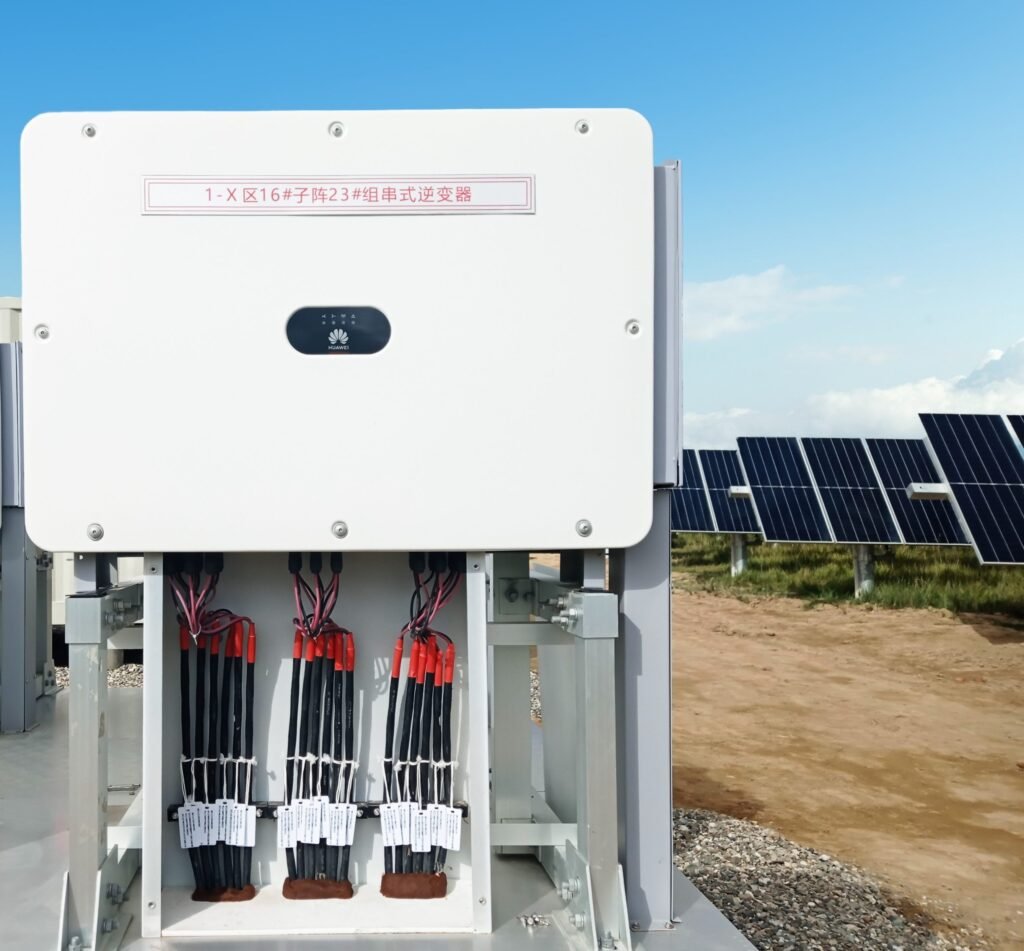
Singapore, [Date] – In a landmark move to accelerate the region’s clean energy transition, Keppel Corporation and Huawei Digital Power have announced a strategic collaboration to integrate solar and battery storage solutions into ASEAN’s power grids. This partnership aims to enhance grid stability, increase renewable energy adoption, and support the decarbonization of Southeast Asia’s energy sector.
As ASEAN nations push toward net-zero emissions, the demand for reliable and sustainable energy solutions has never been greater. The Keppel-Huawei alliance will combine Keppel’s expertise in energy infrastructure with Huawei’s cutting-edge digital power technologies, paving the way for smarter, more resilient power grids across the region.
Why This Collaboration Matters for ASEAN
Southeast Asia faces unique energy challenges, including:
-
Rising electricity demand due to rapid urbanization and industrialization
-
Intermittency of renewable energy sources, particularly solar power
-
Aging grid infrastructure struggling to handle distributed energy resources
By integrating solar photovoltaic (PV) systems, battery energy storage (BESS), and smart grid management solutions, Keppel and Huawei aim to address these challenges while supporting ASEAN’s transition to a low-carbon future.
1. Scaling Up Solar Energy with Smart Digital Solutions
Solar power is a key pillar of ASEAN’s renewable energy strategy, but its variability poses challenges for grid operators. Huawei’s FusionSolar Smart PV Solution—which incorporates AI-driven optimization, high-efficiency inverters, and advanced monitoring—will be deployed alongside Keppel’s large-scale solar projects.
-
AI-powered forecasting improves solar generation predictability
-
High-voltage battery storage ensures excess solar energy is stored and dispatched when needed
-
Grid-forming inverters help stabilize power supply in weak grid areas
This integration will maximize solar energy utilization while minimizing curtailment, ensuring a smoother transition from fossil fuels to renewables.
2. Deploying Battery Storage for Grid Resilience
Battery storage is critical for balancing supply and demand in renewable-heavy grids. The partnership will leverage Huawei’s liquid-cooled energy storage systems and Keppel’s experience in utility-scale BESS projects to enhance grid reliability.
Key benefits include:
-
Peak shaving to reduce reliance on fossil fuel-based peaking plants
-
Frequency regulation to maintain grid stability amid fluctuating renewable inputs
-
Black start capabilities to restore power quickly after outages
With countries like Singapore, Thailand, and Vietnam aggressively expanding their renewable capacity, battery storage will play a pivotal role in ensuring energy security.
3. Digitalization and Smart Grid Integration
Beyond hardware, the collaboration will focus on digital energy management platforms that optimize power flows across ASEAN’s interconnected grids.
-
Huawei’s Grid Digital Twin technology enables real-time grid monitoring and predictive maintenance
-
Keppel’s microgrid solutions support decentralized energy generation in remote areas
-
Demand-response systems incentivize consumers to adjust usage during peak periods
These innovations will help utilities manage increasingly complex power systems while reducing operational costs.
Potential Impact on ASEAN’s Energy Landscape
The Keppel-Huawei partnership aligns with ASEAN’s Renewable Energy Integration and Energy Transition Goals, including:
-
23% renewable energy share by 2025 (ASEAN Plan of Action for Energy Cooperation)
-
Net-zero targets set by Singapore (2050), Thailand (2065), and Vietnam (2050)
By combining Keppel’s project development capabilities with Huawei’s technological prowess, the collaboration could:
✔ Reduce grid instability caused by intermittent renewables
✔ Lower energy costs through optimized storage and distribution
✔ Accelerate coal phase-outs by providing reliable clean energy alternatives
Looking Ahead: A Greener, Smarter ASEAN Grid
As Keppel and Huawei roll out their joint solutions, the focus will be on scalability and adaptability to meet diverse regional needs. Pilot projects in Singapore and Malaysia are expected to set benchmarks for wider adoption across ASEAN.
Mr. Tan Boon Leng, CEO of Keppel Energy, stated: “This partnership underscores our commitment to driving sustainable energy solutions. By integrating Huawei’s advanced digital power technologies with our infrastructure expertise, we can deliver more resilient and efficient power systems for ASEAN.”
Mr. Chen Guoguang, CEO of Huawei Digital Power, added: “Digitalization is key to the energy transition. Our collaboration with Keppel will help ASEAN utilities harness the full potential of solar and storage, paving the way for a carbon-neutral future.”
Conclusion: A Game-Changer for Clean Energy in ASEAN
The Keppel-Huawei alliance marks a significant step forward in modernizing ASEAN’s power grids. By combining solar innovation, battery storage, and digital intelligence, this partnership has the potential to reshape the region’s energy landscape—making it cleaner, more reliable, and future-ready.
As Southeast Asia races toward its renewable energy targets, collaborations like this will be crucial in turning ambition into reality.
Word Count: 800
Key Takeaways:
-
Keppel and Huawei will integrate solar, battery storage, and smart grid tech across ASEAN.
-
AI-driven solar optimization and liquid-cooled BESS will enhance grid stability.
-
The partnership supports ASEAN’s net-zero goals and renewable energy expansion.
-
Pilot projects in Singapore and Malaysia may lead to wider regional deployment.
For more updates on ASEAN’s energy transition, follow #CleanEnergyASEAN.