What Are Lofstrand Crutches and How Do They Provide Enhanced Mobility?

 Blog
Blog When it comes to mobility aids, crutches are one of the most common tools used by individuals who need assistance walking due to Lofstrand Crutches, illness, or disability. While traditional underarm crutches have long been a staple in medical care, a newer type of crutch, the Lofstrand crutch, has emerged as a more specialized option for many users. But what exactly are Lofstrand crutches, how do they differ from other types of crutches, and what makes them a preferred choice for some people with mobility issues?
Table of Contents
ToggleIn this article, we will explore the features of Lofstrand crutches, how they work, and the benefits they offer to users. We will also compare them to other types of crutches to help you understand why they may be the right option for certain individuals. Whether you’re considering Lofstrand crutches for yourself or a loved one, this article will provide valuable insight into their role in enhancing mobility and improving quality of life.
What Are Lofstrand Crutches?
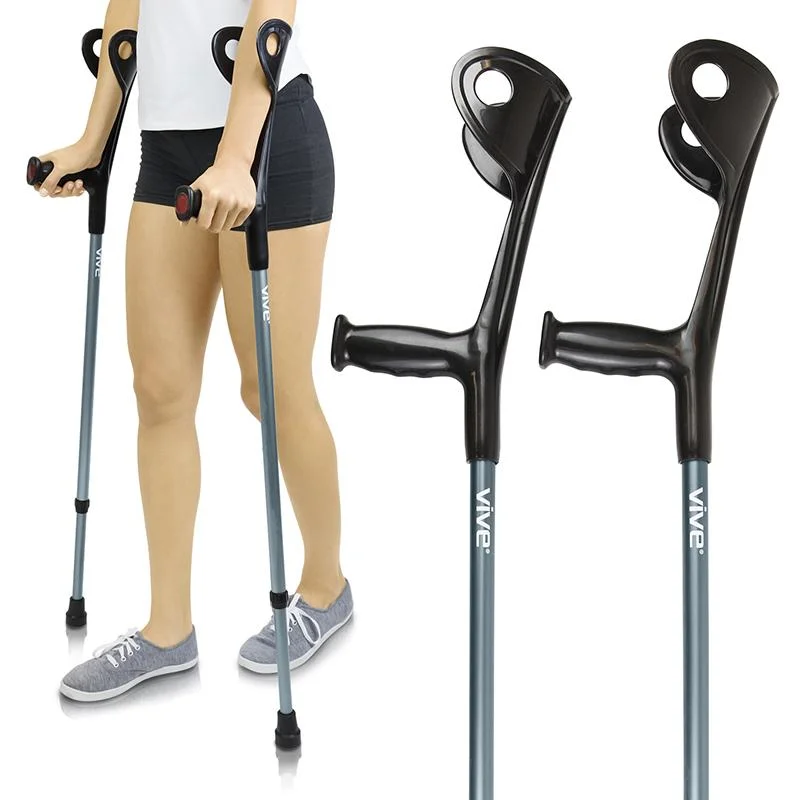
Lofstrand crutches, also known as forearm crutches, are a type of mobility aid that is designed to be used by individuals who need assistance walking but can bear some or most of their weight through their arms and hands. Unlike traditional underarm crutches, which rest under the armpits, Lofstrand crutches have cuffs that fit around the user’s forearms, allowing them to maintain greater control and stability while walking.
The crutch consists of a vertical shaft, a hand grip, and a forearm cuff that secures around the user’s forearm just below the elbow. The design allows the user to support their body weight with their arms, thereby reducing pressure on the wrists and hands. This design provides more freedom of movement, making Lofstrand crutches ideal for people who need to move over longer distances or for extended periods.
Lofstrand crutches come in a variety of sizes and configurations to accommodate users of all ages and body types. They are often made from lightweight materials such as aluminum or carbon fiber, which makes them easier to maneuver and carry.
How Do Lofstrand Crutches Work?
The function of Lofstrand crutches is based on the same principle as traditional crutches: they allow users to distribute their weight across their arms and hands, reducing the amount of pressure placed on the legs. However, the main difference lies in how the weight is distributed.
Instead of relying on the underarm for support, Lofstrand crutches have a cuff that wraps around the forearm. This provides several benefits over traditional crutches. Here’s how they work:
- Forearm Support: The forearm cuff is the key element in Lofstrand crutches. By securing the crutch to the user’s arm, the cuff provides additional support and stability. This is especially beneficial for individuals with weakened or impaired grip strength because it reduces the amount of effort needed to maintain a firm hold on the crutches.
- Distributing Weight Efficiently: Lofstrand crutches allow users to distribute their body weight across their forearms rather than relying solely on the hands and wrists. This makes them a better option for those who experience pain or discomfort in their hands or wrists when using traditional crutches.
- Improved Mobility: With the forearm cuff providing a stable connection between the user and the crutch, the user can move more naturally. This design allows for smoother and more efficient movement, especially over long distances or uneven terrain.
- Enhanced Control: Since the user’s forearms are secured to the crutches, they have greater control over their movement. This makes it easier to navigate obstacles, climb stairs, or perform other tasks that require fine motor control.
What Are the Benefits of Using Lofstrand Crutches?
Lofstrand crutches offer a number of distinct benefits that make them a great choice for many individuals. These benefits make them stand out from traditional crutches and provide a higher level of comfort and mobility for users.
1. Greater Comfort and Less Discomfort:
One of the primary reasons people choose Lofstrand crutches is the increased comfort they provide. Because the weight is distributed to the forearms rather than the underarms, users don’t experience the same level of discomfort associated with traditional crutches. Underarm crutches can cause soreness, bruising, or nerve compression in the armpit area, especially when used for long periods. Lofstrand crutches eliminate this problem by offering a more comfortable, ergonomic design.
2. Increased Independence:
Lofstrand crutches allow for greater independence and mobility. Their design enables users to move with more freedom, as the forearm cuffs provide stability while allowing for more natural arm movement. For many users, this means that they can perform daily tasks, such as carrying groceries or navigating crowded areas, with ease.
3. Better Weight Distribution:
As mentioned earlier, Lofstrand crutches allow for better weight distribution across the forearms, which relieves pressure on the wrists, hands, and underarms. This is especially beneficial for people who have difficulty bearing weight on their hands or wrists, such as those with arthritis or other hand-related issues.
4. Ideal for Long-Term Use:
Unlike traditional crutches, which can become uncomfortable over time, Lofstrand crutches are ideal for long-term use. Their design allows users to bear weight efficiently without experiencing the same level of fatigue or pain. This makes them an excellent option for people recovering from surgery or living with a permanent disability.
5. Greater Stability and Control:
The forearm cuffs on Lofstrand crutches provide a higher level of stability and control. This is particularly beneficial for individuals with balance issues or conditions like multiple sclerosis, cerebral palsy, or spinal cord injuries. The added support helps users maintain their balance and move more safely.
6. Lightweight and Portable:
Lofstrand crutches are typically made from lightweight materials such as aluminum or carbon fiber, which makes them easier to carry and maneuver. This is especially important for people who need to use crutches for long periods. Lightweight crutches reduce the strain on the body and allow for more effortless movement.
How Do Lofstrand Crutches Compare to Traditional Crutches?
When comparing Lofstrand crutches to traditional crutches, there are several key differences that set them apart:
- Support Location: Traditional crutches rest under the arms, while Lofstrand crutches secure around the forearms. The forearm-based support offers more comfort and control compared to underarm crutches, which can cause irritation or discomfort over time.
- Weight Distribution: Lofstrand crutches distribute weight across the forearms, which reduces strain on the wrists, hands, and armpits. Traditional crutches place much of the weight on the wrists and hands, which can lead to pain and fatigue.
- Flexibility and Independence: Lofstrand crutches provide more flexibility, making it easier for users to engage in a wider range of activities. For example, the forearm design allows users to carry items while using the crutches, a feature that traditional crutches do not allow.
- Long-Term Use: Lofstrand crutches are better suited for long-term use compared to traditional crutches. Their design reduces discomfort, provides better control, and helps users maintain independence, making them ideal for individuals with permanent mobility impairments.
Who Can Benefit from Lofstrand Crutches?
Lofstrand crutches are beneficial for a wide range of individuals, including those who:
- Have long-term or permanent mobility impairments.
- Need a more comfortable and efficient way to bear weight.
- Are recovering from surgeries or injuries and require long-term crutch use.
- Experience pain or discomfort using traditional underarm crutches.
- Need more stability and control while walking.
Conclusion: Are Lofstrand Crutches the Right Choice for You?
In conclusion, Lofstrand crutches offer a unique and highly beneficial solution for individuals who require assistance with mobility. Their design provides better comfort, enhanced control, and more efficient weight distribution compared to traditional crutches. While they may not be suitable for everyone, Lofstrand crutches are an excellent choice for individuals who need long-term crutch use and want a more ergonomic and stable option. Whether you’re recovering from an injury, dealing with a chronic condition, or simply looking for a more comfortable way to stay mobile, Lofstrand crutches could be the ideal solution to enhance your mobility and quality of life.