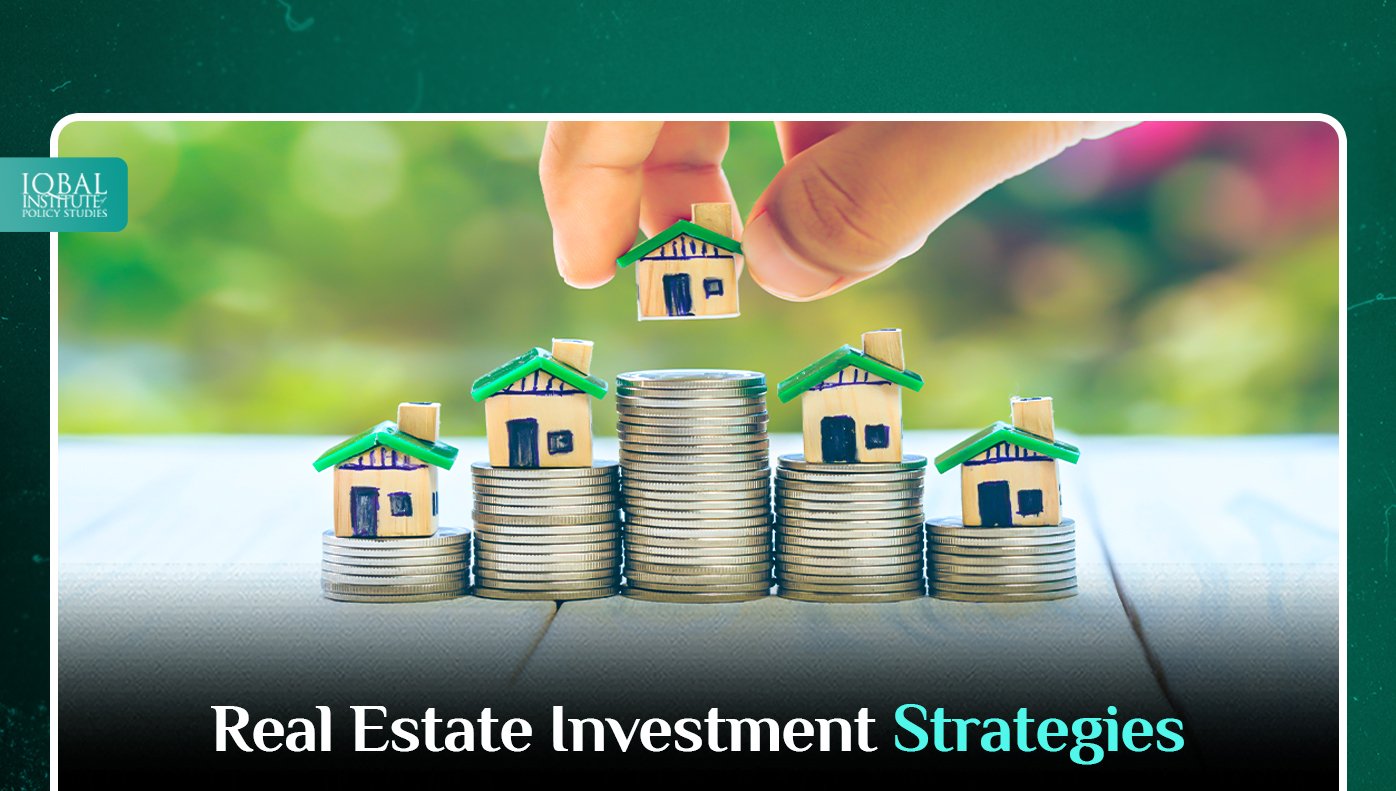
High-end buyers rarely look at property the same way ordinary buyers do. For them, a home can be a residence, a store of value, a legacy asset, and a private base of operations all at once. The smartest Property Investment Strategies are therefore not about chasing the loudest address or the most decorative interior. They are about selecting assets that combine scarcity, quality, discretion, and long-term usefulness. Real estate investing, at its core, is the purchase, ownership, management, rental, or sale of property in order to generate profit or long-term wealth, and that broad definition leaves room for very different goals depending on the buyer’s profile.
For high-net-worth buyers, the best outcomes usually come from patience and selectivity. A premium property should be judged by its location depth, its ability to hold demand in changing markets, and its usefulness to the owner over time. This is why many wealthy buyers now think beyond the purchase price and look closely at the role a property can play inside a wider wealth plan. Recent coverage of wealthy buyers shows that luxury real estate remains important, but preferences shift with market conditions and lifestyle priorities, especially around second homes and ultra-prime destinations.
Why premium property still matters
Property can do more than sit on a balance sheet. In the right setting, it can preserve purchasing power, offer a durable place to live or work, and provide an asset that feels tangible in a way paper holdings do not. That is one reason serious buyers still devote time to land quality, neighborhood prestige, access to amenities, and the strength of local demand. The strongest Property Investment Strategies recognize that a great asset is rarely just a beautiful asset; it is one that remains desirable because of location, scarcity, and practical usefulness.
For high-end buyers, this often means treating property as part of a broader portfolio rather than a one-off purchase. A single residence may serve personal needs, while other properties can be chosen for heritage value, geographic balance, or future flexibility. That mindset is especially relevant in luxury markets, where supply is limited and taste changes slowly. Recent business coverage of wealthy investors suggests that real estate remains a meaningful topic for affluent households, even when preferences tilt toward selectivity rather than volume.
Start with the purpose, not the address
The clearest mistake in luxury buying is starting with a postcode and only later asking what the property is supposed to do. A high-end purchase should begin with a purpose. Some buyers want a private residence that protects lifestyle and family comfort. Others want a prestige asset with strong long-term desirability. Some want a property that can be adapted for future generations. Once the purpose is clear, the rest of the decision becomes easier: size, style, neighborhood, and holding period all fall into place.
A disciplined buyer asks a simple sequence of questions. Will this property still feel relevant in ten years? Does it solve a real need, or is it only impressive in the moment? Is the surrounding area stable, improving, or dependent on temporary excitement? These questions sound basic, but they separate emotional buying from strategic buying. Among all Property Investment Strategies, this one matters most because it shapes every other choice that follows.
Preserve, enjoy, or reposition
Luxury properties usually fall into three broad roles. The first is preservation: buying in a way that aims to protect capital over time. The second is enjoyment: acquiring a home that improves daily life and family experience. The third is repositioning: selecting an asset that can be refined, upgraded, or reimagined to become more valuable. Clear intent prevents overpaying for features that do not support the buyer’s real goal.
A preservation-focused buyer will care deeply about resilience, neighborhood reputation, and the likelihood of steady demand. An enjoyment-focused buyer may prioritize privacy, layout, and lifestyle amenities. A repositioning buyer may focus on structure, land size, renovation potential, and the strength of design improvements. Each path can work, but each requires different due diligence and different expectations. That is why the best Property Investment Strategies are shaped by purpose before they are shaped by fashion.
Choose markets with depth, not just glamour
Luxury locations can look impressive while still being weak investments. True market depth is more important than short-term glamour. Depth means the area has a consistent buyer base, strong local services, stable desirability, and enough prestige to survive changes in the wider economy. In practice, this usually means the market has multiple layers of demand rather than dependence on a single trend or a single type of buyer.
For high-end buyers, the best markets are often those that combine beauty with functionality. Waterfront districts, historic cores, well-managed urban enclaves, and select resort markets can all work when they possess genuine scarcity and long-term appeal. The point is not to buy where everyone is talking; the point is to buy where people with means will still want to live, visit, or hold an asset years from now. That is one of the most reliable forms of premium Property Investment Strategies.
Prime districts
Prime districts work because they are difficult to replace. They usually offer quality schools, well-kept public space, convenient transport, strong services, and a reputation that is hard to manufacture. These qualities tend to support demand even when the broader market becomes less enthusiastic. The more a location is anchored by real utility, the less it depends on hype.
Emerging enclaves
Some high-end buyers also look at emerging enclaves that are still maturing but already showing signs of quality. These areas can offer more space, better privacy, or stronger long-term appreciation potential than established luxury neighborhoods. The key is to avoid speculative excitement and instead look for real infrastructure, thoughtful planning, and signs of durable demand. In other words, the buyer should be early for the right reasons, not early because the market is loud.
Think in assets, not addresses
An address may impress friends, but an asset should satisfy a more serious standard. The most effective Property Investment Strategies focus on the property as a working piece of capital. That means examining land quality, building design, flexibility of use, maintenance burden, privacy, and resale appeal. A strong property performs even when the owner is not present. It holds its identity, serves its purpose, and stays credible in the eyes of future buyers.
This mindset also helps avoid emotional overreach. A buyer may love a view, a facade, or a celebrity-style finish, but those features should not distract from fundamental quality. The best luxury assets often look calm rather than flashy. They age well because the design is restrained, the location is hard to duplicate, and the overall experience feels timeless. Wealthy buyers commonly value real estate as part of a broader portfolio of assets, and that portfolio logic rewards discipline over drama.
Trophy homes
Trophy homes are not automatically wise purchases, but they can be strong holdings when they are truly rare. Rarity may come from land position, historic status, architectural quality, or exceptional privacy. Trophy homes perform best when they are not just expensive, but genuinely difficult to replicate. In high-end markets, scarcity is often the real source of strength.
Lifestyle properties
Lifestyle properties can also be excellent choices when they match the owner’s habits and long-term plans. A buyer who travels frequently may need a base that is easy to maintain and secure. A family buyer may need space, calm surroundings, and practical layout. A remote-working buyer may value flexible rooms, private work areas, and strong connectivity. The best acquisition is the one that improves life without creating unnecessary complexity.
Buy quality that ages well
A premium property should still make sense after the first excitement fades. That is why structural quality, layout logic, and build integrity matter so much. High-end buyers are often tempted by decorative finishes, but the real value is usually hidden in the parts that cannot be seen at a glance: natural light, proportion, circulation, storage, acoustic comfort, and the quality of materials used throughout.
Properties that age well usually have a quiet confidence. They do not depend on a single trend. They remain attractive because they were designed with restraint and built with care. This is one of the more understated but powerful Property Investment Strategies: buy something that will still feel appropriate when style preferences change.
Design that lasts
Timeless design often outperforms aggressive styling because it gives future buyers room to imagine their own life inside the property. Neutral palettes, balanced proportions, and durable materials tend to hold appeal longer than highly personalized choices. Even in the luxury segment, restraint can be a form of value creation.
Layout over decoration
A beautiful room can still be a poor room if it does not function well. Buyers at the high end should pay close attention to circulation between spaces, the placement of private versus public zones, and the ease with which the property can serve different lifestyles. Flexible layouts are especially important for households that entertain, host family, or maintain staff and service routines.
Use scarcity as a filter
Scarcity is one of the strongest drivers of long-term desirability. In premium markets, land position, view corridors, waterfront access, protected heritage character, and limited neighborhood inventory can all create scarcity. But scarcity only matters when it is paired with real demand. A rare asset in a weak location is still a weak asset.
The smartest buyers look for scarcity that cannot be easily reproduced. That may be a unique parcel, a special architectural pedigree, a protected natural setting, or a location with limited development potential. Scarcity helps a property retain attention even when the market becomes less exuberant. That is why scarcity remains central to serious Property Investment Strategies.
Land matters
Where land is included, the land itself can become the strongest long-term feature. Size, position, privacy, and future flexibility often matter more than decorative upgrades. Land is harder to duplicate than interior finishes, which makes it especially important in high-end purchasing decisions.
Unique positioning matters
A property with a unique position may attract sustained interest because it offers something other assets do not. That could be unobstructed privacy, a rare view, a corner site, or immediate access to an amenity-rich district. The more singular the position, the stronger the narrative for future buyers.
Add value with taste, not excess
A common luxury mistake is to spend heavily without improving the property’s deeper appeal. Real value creation usually comes from thoughtful enhancement rather than overdevelopment. The goal is to make the property better, cleaner, stronger, more functional, and more attractive to a wide range of future buyers. That can be achieved through design refinement, maintenance upgrades, and better use of space.
The best improvements are often subtle. Better lighting, improved flow, enhanced privacy, upgraded finishes, and more coherent landscaping can lift a property without making it feel overworked. High-end buyers should ask whether each change improves daily use and long-term appeal, not just appearance. This is another reason why disciplined Property Investment Strategies are so effective: they reward judgment rather than impulse.