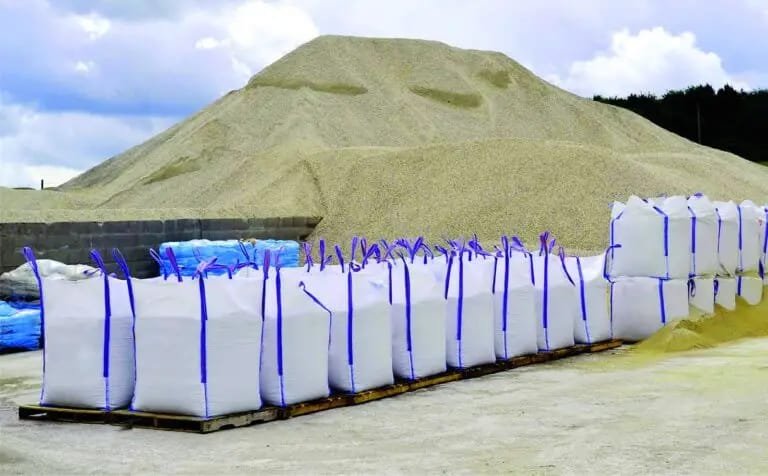
In the process of material handling and transportation, efficiency and innovation play crucial roles in ensuring seamless operations. One groundbreaking solution that has transformed the landscape is the advent of Flexible Intermediate Bulk Containers (FIBC), commonly known as bulk bags or jumbo bags. In this article, we discuss how FIBC bulk bags have revolutionized material handling and transportation, backed by insightful statistics, bullet points, and tables.
What is the real need of FIBC bags in market?
Flexible Intermediate Bulk Containers (FIBC) bags address a critical market need by providing a versatile and cost-effective solution for the efficient handling and transportation of bulk materials. Their capacity to accommodate large volumes and weights makes them indispensable across diverse industries, including agriculture, chemicals, and construction. FIBC bags not only optimize storage space but also contribute to environmental sustainability through reusability. Ensuring safety in material handling, these bags are customizable to meet specific industry requirements, solidifying their position as an essential component in modern supply chains.
I. Understanding FIBC bulk bags
Flexible Intermediate Bulk Containers (FIBC) are large, durable bags designed to transport and store a variety of materials. These bags, often referred to as jumbo bags or bulk bags, come in various sizes and configurations, providing a versatile solution for industries ranging from agriculture to chemicals.
II. Key Advantages of FIBC Bulk Bags:
Capacity and flexibility
FIBC bulk bags can hold a wide range of materials, from powders to granules, with capacities ranging from 500 to 6,000 pounds. Their flexibility allows for efficient storage and transportation of materials in diverse industries.
Cost-effective packaging
FIBC bulk bags offer a cost-effective solution for packaging and transporting materials, reducing overall packaging costs for businesses.
Environmental sustainability
FIBC bulk bags are often reusable, promoting sustainability by minimizing waste and reducing the need for disposable packaging.
Applications of FIBC bulk bags
Agriculture- FIBC bags are extensively used in the agriculture sector for storing and transporting fertilizers, grains, and seeds.
Chemicals- In the chemical industry, FIBC bulk bags ensure the safe and efficient handling of powders, granules, and hazardous materials.
Construction- Construction materials like sand, gravel, and cement can be easily transported and stored in FIBC bulk bags, streamlining construction processes.
Statistical insights
Market growth- According to industry reports, the global FIBC market is expected to witness substantial growth, reaching USD Multiple billion by 2025.