Introduction
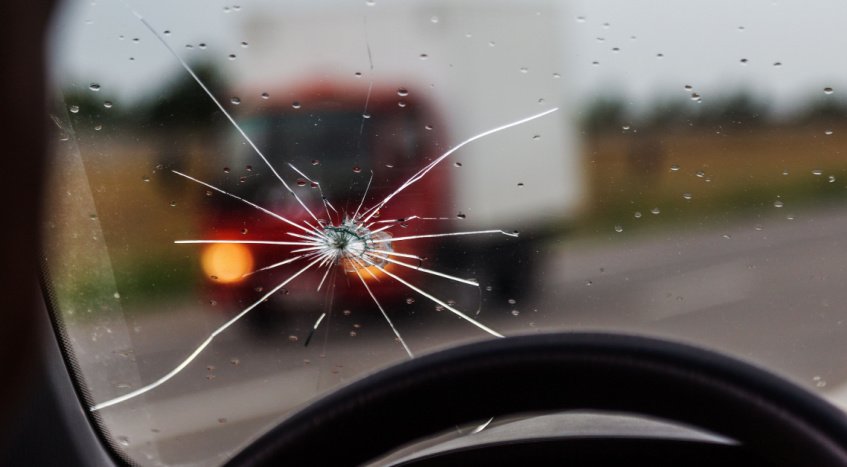
Windshield damage is one of the most common problems vehicle owners experience. Even a tiny chip in the front glass can eventually turn into a long, spreading line that affects visibility, vehicle integrity, and your safety. Understanding Windshield Crack Spread, its causes, how fast it can grow, and what influences that rate is crucial for every driver.
This detailed article breaks down the dynamics of windscreen damage — from the initial impact to environmental forces — to give you the knowledge needed to act before it becomes a bigger issue.
What Is Windshield Crack Spread?
A windshield is made from strong laminated glass designed to resist sudden impact and protect occupants. A crack begins when that integrity is compromised — typically due to impact — and then propagates outward over time if not addressed. Windshield Crack Spread refers to how that damage grows, widening in length or branching into complex patterns.
Although glass itself doesn’t magically “grow,” forces like temperature changes, road vibration, moisture, and pressure can put stress on the crack, causing it to extend further across the surface.
How Fast Does a Windshield Crack Spread?
The rate at which a crack spreads varies dramatically and depends on many factors. Some minor cracks may remain nearly the same size for days, while others can expand several inches within hours if stimulated by external forces.
Influencing Factors
Temperature Fluctuations
Glass expands when heated and contracts when cooled. Rapid temperature swings can cause an existing crack to spread outward quickly as the stresses on the glass change.
Road Conditions
Driving on uneven roads or hitting potholes subjects the windshield to vibrations. These vibrations can jostle the crack, making Windshield Crack Spread more aggressive over a short period of time.
Moisture and Humidity
Moisture can seep into the microscopic gaps of a crack. If the water freezes, it expands and forces the crack wider. Even without freezing, moisture weakens the bond between broken glass surfaces.
Size and Location of Damage
Cracks that extend from an impact point at the edge of the windshield have more opportunity to grow quickly because there’s less glass support around the edge.
Typical Patterns and Speeds
There is no universal speed for Windshield Crack Spread, but many vehicle owners have observed dramatic changes in only a short time if the conditions are right. Some reported that a crack can grow from a small line to a full-length crack across the window in just a few days of driving, especially when exposed to heat and vibration.
As a rule of thumb:
- Small surface cracks tend to spread slowly when conditions are mild.
- Edge cracks or star-shaped breaks are more prone to rapid spread.
- Cracks near the driver’s line of sight are most problematic and noticeable.
What Happens When a Crack Spreads
As the crack lengthens, several things occur:
Weakening of the Glass
The structural strength of the windshield becomes compromised as cracks penetrate deeper through the laminated layers, potentially weakening safety support.
Impaired Visibility
As the damage spreads, it can distort light, affecting your ability to see clearly through the windshield — especially critical when driving at night or in rain.
Increased Repair Costs
A minor crack can often be fixed before it becomes larger. Once it spreads beyond a certain size, more extensive work is required.
Indicators That Crack Spread Is Accelerating
There are signs that a windshield crack is progressing more quickly:
- Noticeable change in crack length over a day or two.
- Cracks branching into multiple directions.
- Changes after temperature swings or long road trips.
These signs often mean that the forces acting on the glass are accelerating the Windshield Crack Spread.
How to Slow Down or Prevent Further Spread
While the only permanent solution to a crack might eventually be professional repair or replacement, several steps can slow down the spread:
Parking in Shaded or Stable Temperature Conditions
Avoiding direct sun and rapid cooling can reduce stress on the glass.
Minimizing Bumpy Driving
Smooth driving reduces vibration — a key contributor to crack propagation.
Temporary Sealing
Clear adhesive or tape over the crack can help keep moisture and dirt out until proper service is arranged.
Professional Inspection
A trained technician can assess whether repair or replacement is the best solution and sometimes prevent a minor crack from becoming a major one.
Proper Repair vs. Replacement
Not all damage requires complete replacement. Repair is often possible when:
- The crack is small.
- It doesn’t cross critical structural zones.
- It doesn’t interfere with vehicle sensors.
Cases where replacement is recommended include:
- Long cracks that significantly impair visibility.
- Damage near the edges of the windshield.
- Cracks that have spread rapidly over a short period.
Why Timely Action Matters
Delaying repair can lead to:
- Loss of safety integrity as the windshield supports the roof and airbag systems.
- Higher costs due to more extensive repair needs.
- Legal issues in regions where driving with significant windshield damage is prohibited.
Taking prompt action when you notice even a small crack can prevent the Windshield Crack Spread from turning into a larger, more dangerous problem.
Windshield Safety in Perspective
The windshield, also called a windscreen in some regions, protects occupants from external forces and provides structural reinforcement to the vehicle frame. Maintaining its integrity is not just about aesthetics; it directly affects your and your passengers’ safety.
Conclusion
Understanding Windshield Crack Spread — what it is, how fast it can occur, and the factors that influence it — empowers you to make informed decisions. From temperature effects to road-induced vibrations, knowing how cracks grow helps you respond smartly and keep your vehicle safe and reliable on the road.