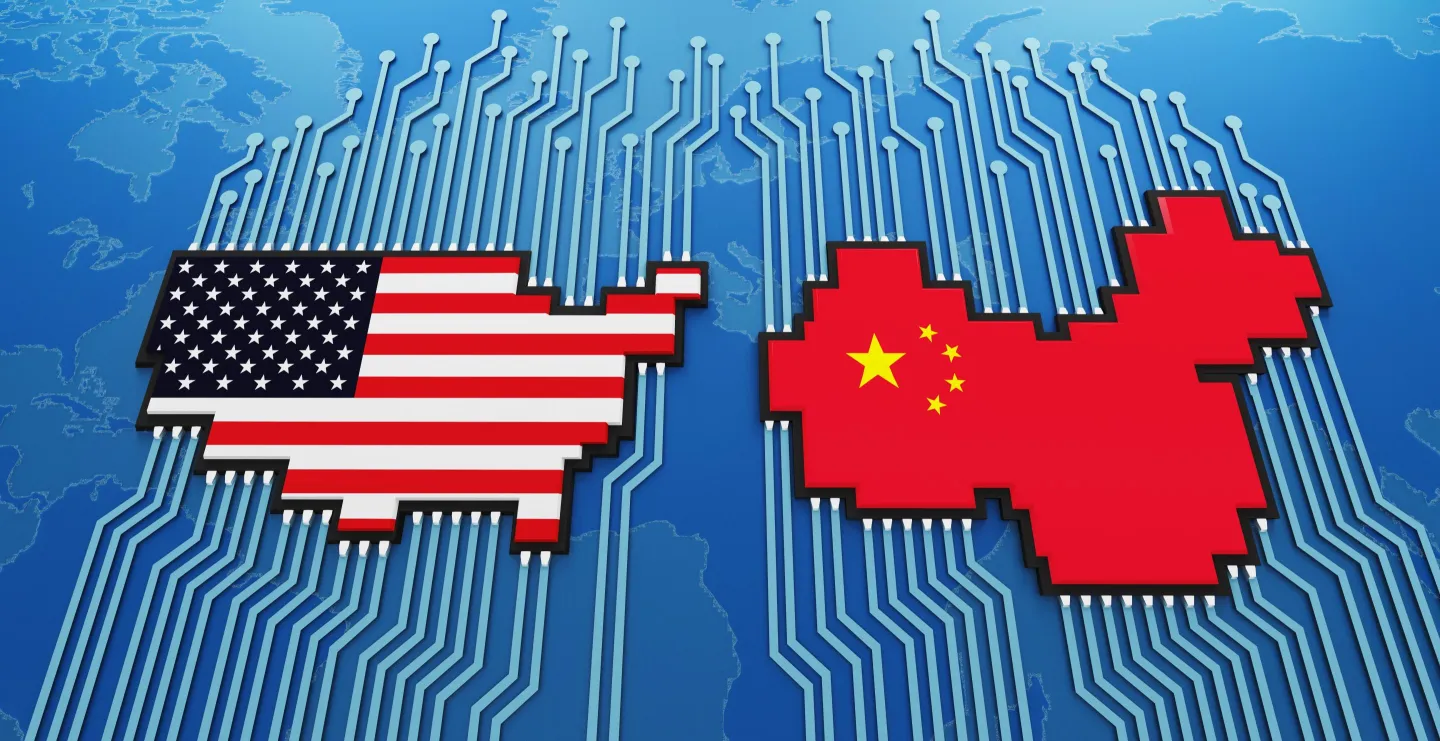
Artificial Intelligence (AI) is no longer just a technological advancement—it is the defining battleground for global supremacy. As nations like China and the European Union pour billions into AI research and development, the United States faces a critical moment: Will it lead the AI revolution or fall behind?
Recently, U.S. senators convened to discuss strategies to secure America’s dominance in AI. The stakes are high, with implications for national security, economic growth, and technological innovation. This article explores the key takeaways from the Senate discussions, the challenges the U.S. faces, and the roadmap to winning the global AI race.
Why AI Dominance Matters
AI is transforming industries, from healthcare and finance to defense and manufacturing. The country that leads in AI will shape the future of:
-
Economic Power – AI-driven automation and innovation boost productivity, create new industries, and generate trillions in economic value.
-
Military Superiority – Autonomous weapons, cyber defense, and AI-enhanced intelligence gathering are critical for national security.
-
Technological Leadership – AI influences everything from semiconductor design to quantum computing, setting the foundation for future breakthroughs.
China has made AI dominance a national priority, aiming to become the world leader by 2030. Meanwhile, the EU is implementing strict regulations while investing heavily in AI research. The U.S. must act decisively to maintain its competitive edge.
Key Takeaways from the Senate Discussion
1. Increased Funding for AI Research & Development
Senators emphasized the need for substantial federal investment in AI. While private companies like Google, OpenAI, and Microsoft drive innovation, government support is crucial for long-term, high-risk research. Proposals include:
-
Expanding funding for the National AI Research Resource (NAIRR) to provide universities and startups with access to AI supercomputing.
-
Increasing grants for AI research at institutions like DARPA, NSF, and the Department of Energy.
-
Creating public-private partnerships to accelerate AI breakthroughs.
2. Strengthening AI Education & Workforce Development
The U.S. faces a talent shortage in AI and related fields like semiconductor engineering. Senators discussed:
-
Expanding STEM education programs, particularly in AI, machine learning, and quantum computing.
-
Reforming immigration policies to attract and retain top AI talent from around the world.
-
Partnering with tech companies to establish training programs for the next generation of AI experts.
3. Balancing Regulation Without Stifling Innovation
While China pushes AI development with minimal restrictions, the EU has taken a strict regulatory approach with its AI Act. The U.S. must find a middle ground—ensuring ethical AI use without hindering progress. Senators debated:
-
Implementing light-touch regulations to foster innovation while addressing risks like deepfakes and algorithmic bias.
-
Establishing AI safety standards for critical sectors like healthcare and defense.
-
Creating a federal AI oversight body to monitor risks without overburdening startups.