As AI Becomes Part of Everyday Life, it Brings a Hidden Climate Cost

 Technology
 Artificial intelligence has moved rapidly from research labs into daily life. From smart assistants managing household tasks to generative AI tools creating text, images, and code, its integration into work and personal routines is undeniable. Yet beneath the excitement lies a less visible reality: artificial intelligence consumes enormous amounts of energy, carrying significant environmental costs that are often overlooked. As AI adoption accelerates, understanding this hidden climate burden becomes crucial for shaping responsible technological growth.
The Energy Behind Intelligence
Artificial intelligence models, especially large-scale ones such as language models and image generators, require immense computational power. Training these systems involves feeding billions of data points through high-performance processors over weeks or months. The energy consumed during training alone can be staggering. Researchers estimate that training a single advanced AI model can emit carbon dioxide equivalent to the lifetime emissions of multiple cars.
But the environmental toll does not end once training is complete. After deployment, millions of users interact with these systems daily. Every text query, image request, or voice command requires servers to process data and return results. While a single interaction may seem insignificant, the cumulative effect of billions of queries each day becomes substantial.
Data Centers and Carbon Footprints
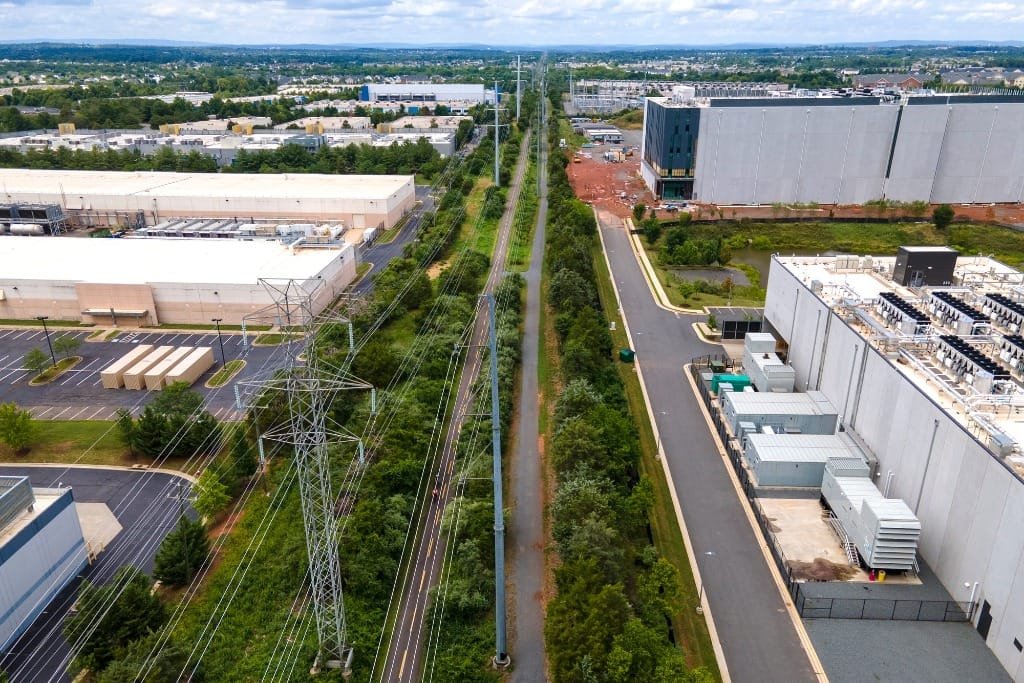
The backbone of AI is the data center—vast warehouses of servers running continuously to handle storage and computation. These centers consume vast quantities of electricity and generate heat, requiring additional energy for cooling systems. While many tech companies have pledged to increase their reliance on renewable energy, fossil fuels still power a large portion of global electricity grids, meaning AI indirectly contributes to greenhouse gas emissions.
Moreover, the geographic location of data centers matters. Facilities in regions dependent on coal-fired power plants have much higher carbon footprints compared to those in areas with abundant renewable energy. This uneven distribution means the environmental cost of AI can vary widely depending on where servers are housed.
Everyday AI, Everyday Emissions
For most people, the energy demands of AI are invisible. Asking a voice assistant for weather updates or generating a quick AI-written note feels effortless. However, these actions involve complex computations in distant data centers, consuming significantly more power than traditional digital searches or local device processing.
Generative AI, in particular, is energy-intensive. Producing high-resolution images, writing long-form text, or simulating conversations requires more computing power than conventional digital tasks. As these tools become integrated into office software, entertainment platforms, and customer service systems, their usage scales exponentially, magnifying the overall environmental impact.
Comparing AI’s Footprint to Other Technologies
AI’s climate cost can be better understood by comparison. Traditional search engines, for example, use relatively less power per query. Streaming services also consume substantial energy, but their usage has reached a plateau in many markets. AI, however, is still in its rapid expansion phase. With businesses racing to integrate AI into products and services, demand is expected to grow dramatically in the coming years.
One concern is that AI’s energy appetite could offset gains made in other sectors. As industries strive to reduce emissions through efficiency improvements, AI’s surge could add new pressure on energy systems, making climate goals harder to achieve.
The Push for Greener AI
Despite these concerns, there is potential to reduce AI’s environmental impact. Researchers are working on developing more efficient algorithms that require less computing power to achieve the same results. Techniques such as model compression, distillation, and pruning can make AI systems leaner without sacrificing performance.
Tech companies are also investing heavily in renewable energy to power their data centers. Some leading firms have pledged to operate entirely on carbon-free energy within the next decade. If achieved, this could significantly cut the carbon footprint of AI-driven technologies. Additionally, advances in cooling systems, server design, and hardware efficiency contribute to lowering energy demands.
Another emerging approach is “edge AI,” which involves running AI models directly on personal devices rather than relying entirely on remote servers. This reduces the need for constant data center access and can make interactions faster and more sustainable. While edge AI models are currently smaller and less powerful than their cloud-based counterparts, progress in this area could shift some of the environmental burden away from centralized infrastructure.
Balancing Innovation and Responsibility
The integration of AI into daily life is unlikely to slow down. Businesses, governments, and individuals increasingly depend on it for productivity, decision-making, and entertainment. The challenge lies in ensuring that AI’s benefits do not come at an unsustainable climate cost.
Policymakers may need to introduce regulations requiring transparency about AI’s energy use and emissions. Just as consumers today can check the energy efficiency of appliances, future AI tools could come with disclosures about their environmental impact. Public awareness campaigns may also help people make informed choices about when and how to use AI responsibly.
Looking Ahead
The story of AI is still being written, and its environmental chapter is only beginning to unfold. As with earlier technological revolutions, society must weigh convenience and progress against sustainability. The hidden climate cost of AI does not mean the technology should be abandoned, but it does demand attention, innovation, and accountability.
If developers, companies, and governments act proactively, AI can be steered toward a greener future. The very intelligence that drives these systems could also help optimize renewable energy, improve climate modeling, and support sustainable practices. In that sense, the same technology creating a burden might also provide tools for solutions.
Conclusion
AI is no longer a futuristic concept—it is part of everyday life. Yet each conversation with a chatbot, image generated by an algorithm, or personalized recommendation comes with an unseen environmental price tag. By acknowledging this hidden climate cost and working toward efficiency, transparency, and renewable energy adoption, society can ensure that artificial intelligence evolves responsibly. Innovation must not only serve human convenience but also safeguard the planet for generations to come.