Vietnam concession on Starlink aims to defuse U.S. tariff threat

 Technology
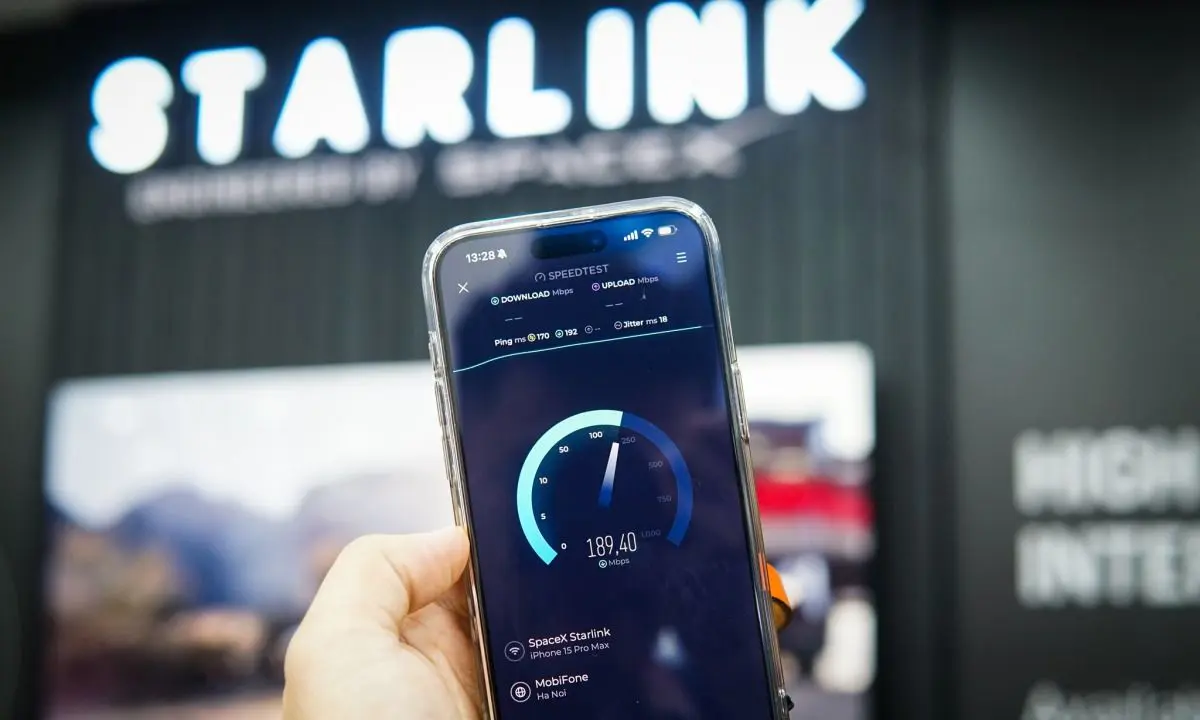
 Vietnam has strategically decided to allow Starlink, Elon Musk’s satellite internet service, to operate within its borders. This move is seen as an effort to de-escalate growing trade tensions with the United States, which has been considering tariffs on Vietnamese exports. By opening its market to Starlink, Vietnam is offering a significant concession that could ease American concerns over trade imbalances and geopolitical issues.
Background: U.S.-Vietnam Trade Relations
Vietnam has emerged as one of the United States’ key trade partners, with its exports to the U.S. growing exponentially over the past decade. In 2024, Vietnam’s trade surplus with the U.S. reached an all-time high, raising concerns among American policymakers about economic imbalances. The U.S. has repeatedly scrutinized Vietnam’s trade practices, accusing the country of currency manipulation and unfair advantages in manufacturing.
To counter these concerns, the Vietnamese government has been seeking ways to maintain favorable trade relations while avoiding punitive tariffs that could severely impact its economy. The approval of Starlink’s operations is a calculated move to appease the U.S. while also boosting Vietnam’s technological infrastructure.
Why Starlink?
Starlink, SpaceX’s satellite internet service, provides high-speed connectivity to remote and underserved regions. Vietnam, with its diverse geography and large rural population, could greatly benefit from Starlink’s capabilities. However, allowing a foreign satellite company to operate in the country is a sensitive matter, given Vietnam’s tight control over telecommunications and internet services.
By granting Starlink access, Vietnam is signaling its willingness to collaborate with American tech giants, potentially reducing trade tensions. The move also aligns with Vietnam’s ambitions to become a regional technology hub, as improved internet access could accelerate digital transformation across industries.
The U.S. Tariff Threat
The Biden administration has been increasingly vocal about imposing new tariffs on Vietnamese exports, particularly in sectors such as textiles, electronics, and furniture. These industries form the backbone of Vietnam’s economy, and any tariffs could have devastating consequences for local businesses.
Vietnam’s decision to accommodate Starlink is likely aimed at demonstrating goodwill and securing economic stability. The U.S. has consistently pushed for greater market access for American companies in Vietnam, and this move may be seen as a step toward fairer trade relations.
Economic and Political Implications
The decision to allow Starlink into Vietnam carries both economic and political implications:
Economic Benefits for Vietnam
- Improved Connectivity – Starlink will enhance internet access in remote areas, benefiting businesses and educational institutions.
- Foreign Investment Boost – Vietnam’s openness to foreign tech companies could attract more investment from Silicon Valley and other U.S. firms.
- Strengthened Trade Ties – By addressing American concerns, Vietnam can secure continued trade benefits and potentially negotiate better terms in future agreements.
Political Considerations
- U.S.-Vietnam Relations – The move demonstrates Vietnam’s willingness to cooperate with the U.S., potentially strengthening diplomatic ties.
- Balancing China’s Influence – Vietnam has traditionally been cautious about China’s expanding economic footprint. Engaging with American companies helps diversify its partnerships and reduces reliance on China.
- Domestic Concerns – Vietnam maintains strict control over internet services, and allowing Starlink could create challenges related to information regulation and national security.
Challenges and Risks
Despite the potential benefits, Vietnam’s decision comes with several risks:
- Regulatory Challenges – Vietnam’s strict internet laws could pose difficulties in integrating Starlink while maintaining government oversight.
- Geopolitical Backlash – The move could strain Vietnam’s relations with China, which has its own ambitions in satellite communication.
- Implementation Issues – Ensuring that Starlink operates in a way that aligns with Vietnam’s digital policies may require negotiations and compromises.
Conclusion
Vietnam’s decision to grant access to Starlink is a significant step in addressing U.S. concerns and preventing potential trade sanctions. While the move could improve bilateral relations and boost economic development, it also presents regulatory and geopolitical challenges. As Vietnam navigates this complex situation, the outcome will likely shape its future trade policies and global standing.