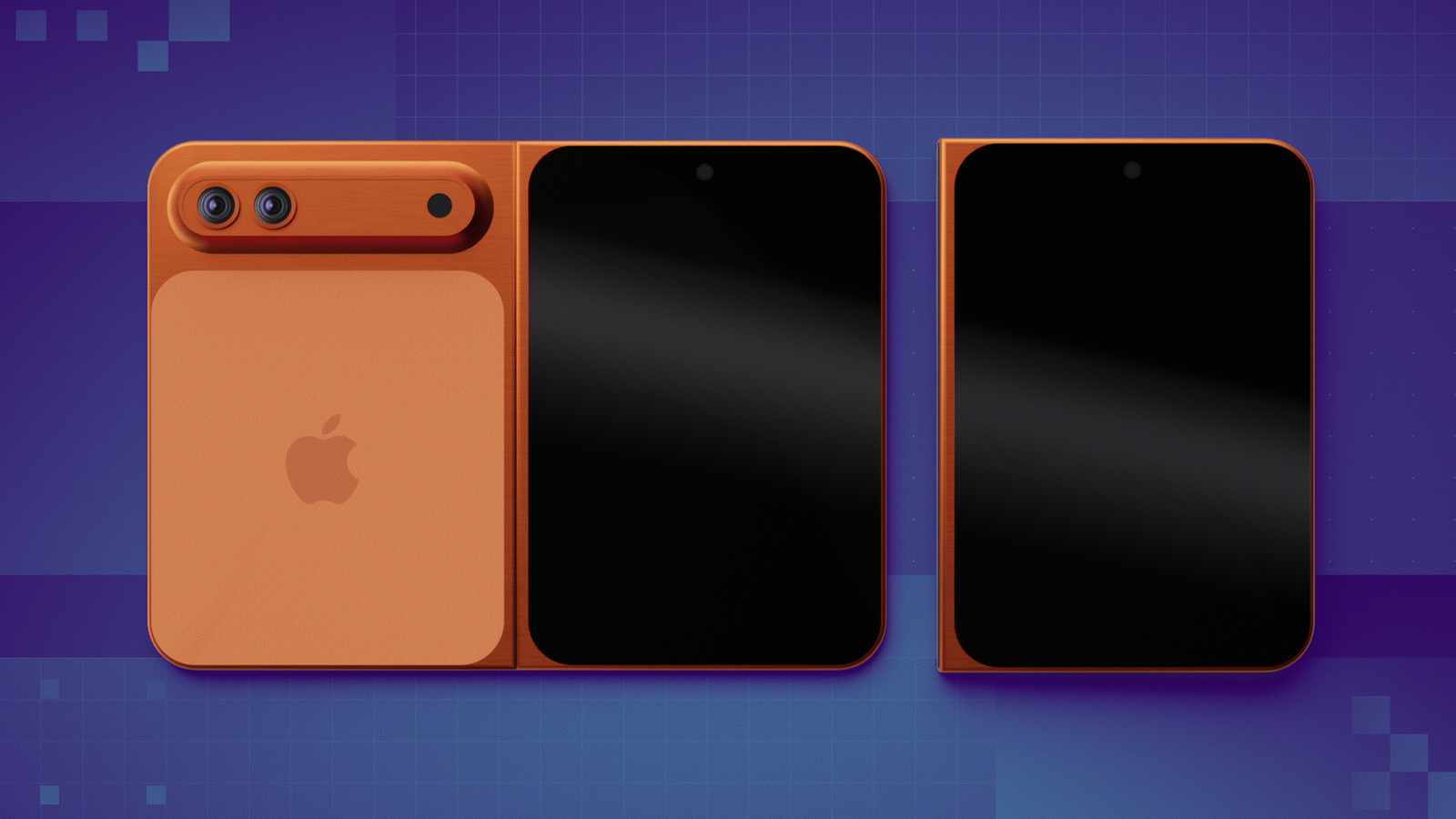
The smartphone industry stands on the edge of another significant transformation. For years, consumers and technology enthusiasts have speculated about Apple entering the foldable device market. That moment is nearly here. The arrival of the iPhone Fold promises to reshape how people think about mobile computing, multitasking, and portability. Naturally, the question dominating every discussion revolves around money. How much disposable income must someone set aside to own this piece of engineering? This analysis dives deep into the expected pricing structure, the reasoning behind those numbers, the value proposition compared to existing products, and the broader market forces that will determine the final figure you see on the price tag.
Apple has never been a company that competes primarily on affordability. The brand identity rests on premium materials, seamless software integration, and an ecosystem that keeps customers returning year after year. When the iPhone Fold arrives, likely during a fall launch window, it will enter a product category already populated by Samsung, Huawei, Xiaomi, and others. However, Apple’s approach differs fundamentally. The company rarely rushes to be first. Instead, it observes, refines, and then releases a product it believes sets a new standard. That level of polish comes at a cost. Understanding that cost requires examining multiple factors, from component sourcing to research investment, from positioning within the existing iPhone lineup to the psychological pricing strategies Apple has perfected over decades.
Understanding the Foldable Phone Landscape
Before pinpointing a specific dollar amount for the iPhone Fold, contextualizing the current market proves essential. Foldable phones represent the most expensive tier of consumer mobile devices. When Samsung launched the original Galaxy Fold, the sticker price sat around one thousand nine hundred eighty dollars. Subsequent generations have seen some reduction, yet premium foldables still command prices between one thousand six hundred and two thousand two hundred dollars depending on configuration and region. The Galaxy Z Fold series, widely considered the benchmark for book-style folding phones, consistently occupies a price band that many consumers find aspirational rather than immediately accessible.
Chinese manufacturers like Xiaomi, Vivo, and Honor have introduced foldables at slightly lower price points, sometimes undercutting Samsung by three to four hundred dollars. Huawei’s offerings, constrained by trade restrictions yet still technologically impressive, hover in similar premium territory. Google entered the space with the Pixel Fold at around one thousand seven hundred ninety-nine dollars. These figures establish a clear pattern. Large-screen foldable devices, the kind that open like a book to reveal a tablet-sized display, rarely dip below one thousand five hundred dollars for base models. The market has normalized the idea that transforming a phone into a tablet commands a substantial premium over traditional slab smartphones.
Where does Apple fit into this picture? The company’s current pricing ladder tops out with the iPhone Pro Max models, which for fully loaded configurations can exceed one thousand six hundred dollars. The iPhone 15 Pro Max starts at one thousand one hundred ninety-nine dollars, and stepping up through storage tiers quickly adds hundreds more. The iPhone Fold will not replace the Pro Max. Rather, it will exist above it, creating a new ultra-premium tier. This positioning mirrors how the iPad Pro sits above the iPad Air, and the MacBook Pro sits above the MacBook Air. Apple understands tiered product hierarchies and knows that introducing a flagship above the existing flagship expands the ceiling of what loyal customers are willing to pay.
The Components That Drive Up Manufacturing Costs
The single largest factor influencing the iPhone Fold price involves the bill of materials. Folding displays represent cutting-edge display engineering. Unlike conventional OLED panels protected by rigid glass, foldable screens must bend thousands of times without degradation. The hinge mechanism requires precision-machined components, often involving titanium or specialized steel alloys, with tolerances measured in microns. Apple’s rumored design points toward a book-style folding mechanism that opens to reveal a continuous inner display somewhere between seven point five and eight inches diagonally. The external display, usable when the device remains folded, will likely measure around five point five to six inches.
Industry analysts tracking Apple’s supply chain have noted the company’s partnerships with display manufacturers including Samsung Display and LG Display. These panels cost significantly more to produce than standard rigid OLEDs. Estimates for foldable OLED panels suitable for a device of Apple’s quality standards range between two hundred and three hundred dollars per unit just for the inner folding screen. Compare that to the estimated sixty to eighty dollars Apple pays for the iPhone 15 Pro Max display, and the cost delta becomes immediately apparent. Add the external cover screen, and the total display expenditure could approach four hundred dollars before accounting for any other component.
Beyond displays, the hinge assembly deserves special attention. Apple has filed numerous patents describing hinge designs that eliminate the crease visible on current foldable phones. Creating a perfectly smooth folding surface requires complex multi-link mechanisms, potentially involving dozens of individual parts. Each must be manufactured to exacting specifications, assembled with precision, and tested for durability. This level of mechanical sophistication adds meaningful cost. Early supply chain reports suggest the hinge alone could add fifty to eighty dollars to the manufacturing cost compared to a traditional iPhone chassis.
The chipset inside the iPhone Fold will almost certainly be Apple’s latest A-series processor, likely the A19 or A20 by 2026, fabricated on an advanced process node. While this silicon already powers other iPhones, the thermal constraints of a folding device might require additional engineering. Spreading heat across two halves of a device connected by a hinge presents challenges that could necessitate custom thermal solutions. Battery technology also factors into the equation. The larger internal display demands a bigger battery, yet the folding form factor limits total volume. Apple may adopt stacked battery technology or new cell chemistries to achieve adequate battery life, each adding incremental cost.
Cameras represent another significant expense. Apple cannot afford to ship the iPhone Fold with a camera system inferior to the Pro models. Customers spending top dollar expect top-tier photography. That means a multi-lens rear system, likely featuring a main wide sensor, an ultra-wide, and a telephoto with optical zoom capabilities. The periscope zoom technology introduced in recent Pro Max models will probably find its way into the Fold. Front-facing cameras, potentially including an under-display solution for the inner screen, add further complexity and cost.
Memory and storage configurations will also push the price upward. The iPhone Fold, as a productivity-focused device bridging phone and tablet experiences, will demand generous RAM allocations. Current Pro models ship with eight gigabytes. By 2026, the Fold could feature twelve or even sixteen gigabytes to support advanced multitasking scenarios where multiple applications run simultaneously across the expansive inner display. Storage tiers will likely start at two hundred fifty-six gigabytes, bypassing the one hundred twenty-eight gigabyte entry point common on standard iPhones. Higher tiers could reach two terabytes, and each step up in storage represents pure margin for Apple but genuine cost for consumers.
Research and Development Expenditure
Hardware components tell only part of the pricing story. Apple has spent years developing the iPhone Fold behind closed doors. The company employs thousands of engineers across hardware, software, materials science, and industrial design. Teams dedicated to the folding project have been iterating on prototypes, testing hinge durability, experimenting with glass formulations, and refining the user experience. That effort represents a massive sunk cost that must be recouped through product sales.
The software adaptation required for a folding iPhone should not be underestimated. iOS, and by 2026 likely iOS 20 or beyond, must seamlessly transition between folded and unfolded states. Applications need to resize dynamically, support split-screen multitasking, and take advantage of the larger canvas without breaking existing layouts. Apple’s developer relations teams have probably been working with key third-party developers to ensure popular apps shine on day one. This ecosystem preparation costs money and represents years of coordinated effort.
Patents and intellectual property protection add another layer. Apple’s legal teams have filed extensively to protect hinge designs, display technologies, and user interface concepts. Defending these patents and navigating the existing patent landscape held by competitors requires substantial legal expenditure. While not directly visible in a bill of materials, these costs factor into the overall investment that the product must recover.
Testing and validation cycles for a first-generation foldable will far exceed those of an iterative iPhone update. Apple cannot afford a high-profile failure like some early Android foldables experienced. The company will test hinge durability to hundreds of thousands of folds, expose prototypes to dust and water, and drop-test devices repeatedly. This extended validation period delays revenue generation while costs continue accumulating.
When Apple sets the iPhone Fold price, the finance team considers the total program cost, projected unit volumes, and the desired margin profile. First-generation products often carry higher per-unit R&D amortization costs because volumes start lower than mature product lines. Apple likely expects to sell fewer iPhone Fold units than Pro Max units, meaning the fixed R&D cost spreads across a smaller base, pushing the required price higher to maintain target margins.
Positioning Within Apple’s Ecosystem
Apple’s pricing strategy never operates in isolation. The company carefully constructs a product matrix where each price point serves a specific customer segment. The iPhone SE addresses budget-conscious buyers who still want iOS. The standard iPhone offers the mainstream experience. The Pro models add premium materials and camera capabilities. The Pro Max adds size and battery life. The iPhone Fold will occupy a new position above all of these, targeting early adopters, productivity-focused professionals, and status-conscious consumers who want the most advanced device possible.
This positioning suggests a price that clearly separates the Fold from the Pro Max. If the Pro Max starts around one thousand two hundred to one thousand three hundred dollars in 2026, the Fold cannot price too close without cannibalizing Pro Max sales. A gap of at least five to seven hundred dollars creates clear differentiation. The Fold must feel exclusive, a device that not everyone owns, something that signals both financial capability and technological enthusiasm.
Comparing with the iPad lineup offers another lens. An iPad Pro with a Magic Keyboard can easily cost over one thousand eight hundred dollars, yet that setup lacks the portability and always-connected nature of a folding iPhone. The iPhone Fold essentially combines a phone and a small tablet into one device. For users who currently carry both an iPhone and an iPad, the Fold could replace both, potentially justifying its high cost through device consolidation. Apple recognizes this substitution effect and will price accordingly, capturing value that would otherwise go to two separate devices plus accessories.
The Apple ecosystem itself adds perceived value. iMessage, FaceTime, iCloud integration, continuity features that allow seamless work across Apple devices, and access to the App Store’s extensive library all contribute to what customers feel they receive for their money. This ecosystem lock-in means existing Apple users face switching costs that make them more tolerant of premium pricing. The iPhone Fold does not need to compete purely on hardware specifications against Samsung’s offerings. It competes by offering the only folding phone that integrates natively with the Apple services customers already depend on.
Regional Pricing Variations and Currency Factors
The dollar figure discussed in U.S. media represents only one market. Apple adjusts pricing globally based on currency exchange rates, local taxes, import duties, and competitive dynamics. The iPhone Fold price in European markets will likely be higher when converted to euros due to value-added tax inclusion. British consumers face similar markups. In markets like India and Brazil, where import duties on electronics can exceed twenty percent, the effective price could reach astronomical levels.
Apple sometimes absorbs currency fluctuations to maintain psychologically important price points, but for a halo product like the Fold, the company may prove less willing to sacrifice margin. The target customer for this device has higher disposable income and lower price sensitivity. If the U.S. price lands at one thousand nine hundred ninety-nine dollars, European pricing could translate to two thousand two hundred euros or more. Japanese pricing, accounting for the yen’s historical weakness, might appear even higher numerically. Australian and Canadian prices will reflect their respective currency values plus local market adjustments.
These regional variations matter because global sales aggregate into the total revenue Apple generates from the Fold program. Pricing decisions in the United States anchor the global structure, but local market teams have flexibility to optimize for their conditions. Some markets may see carrier subsidies or installment plans that make the upfront cost more palatable. Apple’s own trade-in programs, Apple Card monthly installments, and carrier partnerships will all play roles in reducing the psychological barrier of writing a single large check.
Storage Tier Pricing Strategy
Apple has refined the art of storage tier pricing over many product generations. The strategy involves setting an attractive base price while creating strong incentives to step up to higher storage configurations. The base model serves as the advertised price, the number that appears in headlines and marketing materials. Yet many customers ultimately spend more, drawn by the fear of running out of space or the desire to future-proof their investment.
For the iPhone Fold, expect the base storage to be two hundred fifty-six gigabytes. A one hundred twenty-eight gigabyte option, while standard on cheaper iPhones, would feel inadequate for a device marketed as a productivity tool capable of replacing a tablet and handling professional workflows. The base price will likely sit at one thousand nine hundred ninety-nine dollars. Stepping up to five hundred twelve gigabytes could add two hundred dollars, bringing the total to two thousand one hundred ninety-nine dollars. The one terabyte tier might add another two hundred, reaching two thousand three hundred ninety-nine dollars. If Apple introduces a two terabyte option, that configuration could push toward two thousand six hundred dollars or beyond.
This tiered approach means discussions about the iPhone Fold price must acknowledge that most actual purchase prices will exceed the headline base figure. Apple counts on this. The company’s margin structure improves with each storage upgrade, as the incremental cost of additional NAND flash storage remains far below the upcharge customers pay. For the Fold specifically, higher storage configurations also support the device’s positioning as a professional tool. Photographers, videographers, and creative professionals who generate large files will naturally gravitate toward higher capacities, making them less sensitive to the total price.
The Role of AppleCare and Accessories
The purchase price of the iPhone Fold represents only the beginning of the total ownership cost. A folding phone, with its mechanical complexity and exposed flexible display, introduces new durability concerns. Apple will almost certainly offer AppleCare+ extended warranty coverage tailored to the Fold. This coverage will cost more than standard iPhone AppleCare+ plans, reflecting the higher repair costs associated with foldable displays and precision hinges.
Current AppleCare+ for iPhone Pro models costs around one hundred ninety-nine dollars for two years or nine dollars ninety-nine cents monthly. The Fold variant could reasonably command two hundred forty-nine to two hundred ninety-nine dollars for the two-year plan. Customers who want peace of mind against accidental damage will factor this into their budget. Screen repairs on a foldable device could easily exceed five hundred dollars without coverage, making the insurance proposition compelling.
Accessories add further cost. A device costing two thousand dollars demands protection. Cases designed for foldable phones present unique engineering challenges, accommodating the hinge movement while providing drop protection. Apple’s first-party cases, likely crafted from leather or silicone with precise cutouts, will probably cost between sixty and one hundred dollars. Third-party manufacturers will quickly offer alternatives, but many customers prefer Apple’s own accessories, especially during the initial launch window.