

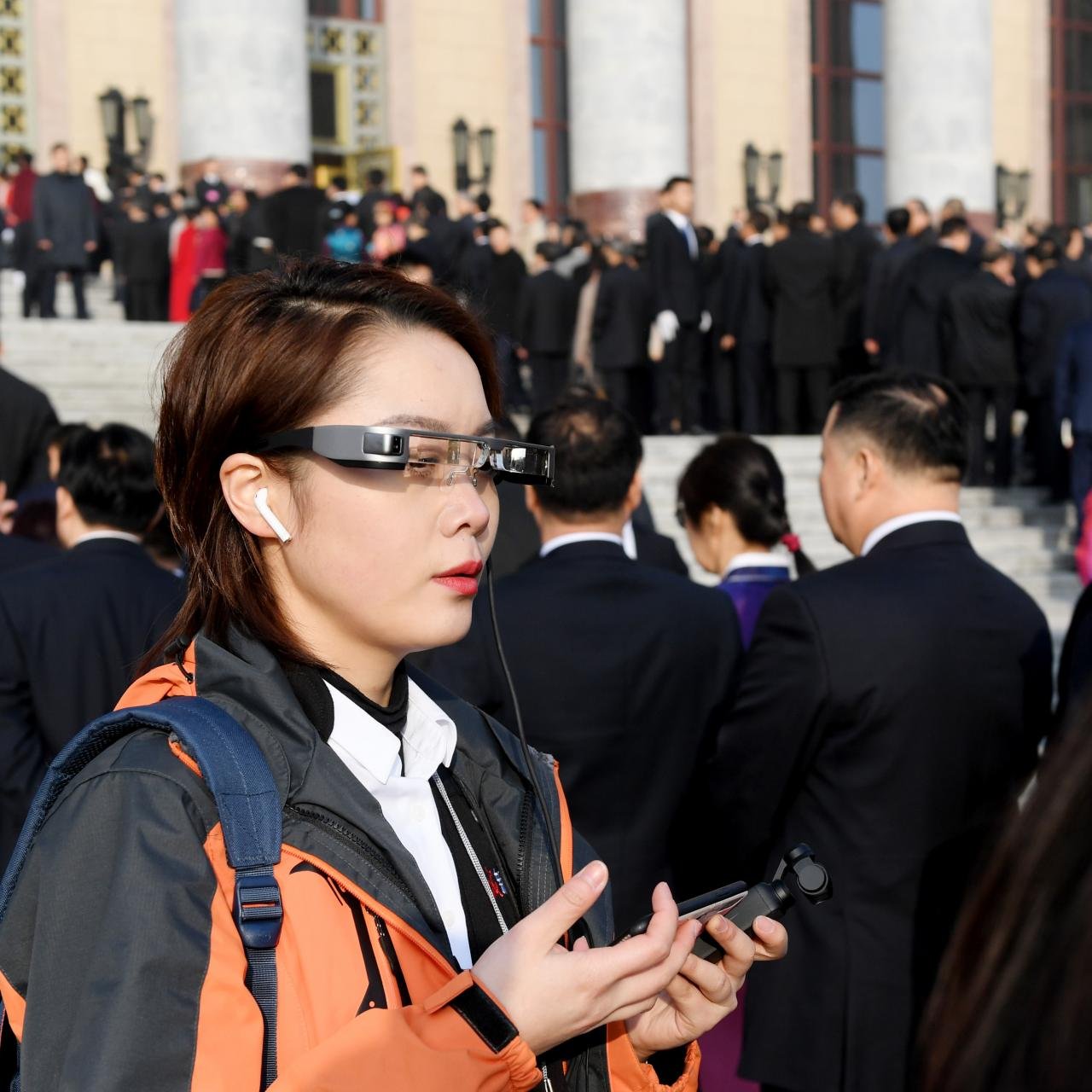
Wearable technology has evolved rapidly over the past decade, from fitness trackers to smartwatches that monitor heart rate, sleep, and even blood oxygen levels. But the next frontier in wearables might not be something you wear on your wrist—it could be an ultra-thin, nearly invisible electronic “tattoo” applied to your face that measures mental stress in real time.
Researchers and tech companies are developing flexible, skin-adherent sensors that can detect subtle physiological changes linked to stress, such as muscle movements, sweat levels, and even brainwave activity. These futuristic face tattoos could revolutionize mental health monitoring, workplace wellness, and even human-computer interaction.
How a Face Tattoo Could Measure Stress
Mental stress triggers a cascade of physiological responses, including:
-
Facial muscle tension (e.g., frowning, jaw clenching)
-
Changes in skin conductance (sweat levels)
-
Heart rate variability (HRV)
-
Body temperature fluctuations
A smart face tattoo would use ultra-thin, flexible electronics embedded with sensors to track these signals. Unlike bulky wearables, these devices would be lightweight, stretchable, and barely noticeable—similar to a temporary tattoo.
Key Technologies Behind Stress-Sensing Tattoos
-
Graphene-Based Sensors – Graphene, a one-atom-thick layer of carbon, is highly conductive and flexible, making it ideal for skin-mounted electronics.
-
Electromyography (EMG) – Detects tiny electrical signals from facial muscles, which can indicate stress-related tension.
-
Galvanic Skin Response (GSR) – Measures sweat gland activity, which increases under stress.
-
Machine Learning Algorithms – Analyzes sensor data to distinguish between normal and stress-induced physiological patterns.
Potential Applications of Stress-Sensing Face Tattoos
1. Mental Health Monitoring
Chronic stress is linked to anxiety, depression, and cardiovascular disease. A face tattoo that continuously tracks stress levels could alert users when they need to take a break, practice mindfulness, or seek professional help.
2. Workplace Wellness & Productivity
Companies could use this technology (with employee consent) to monitor workplace stress levels and adjust workloads accordingly. High-stress environments like hospitals, law enforcement, and customer service could benefit from real-time stress feedback.
3. Human-Computer Interaction (HCI)
Future AI systems could adapt in real time based on a user’s stress levels—for example, slowing down notifications when stress is detected or adjusting virtual reality experiences for relaxation.
4. Military & High-Stress Professions
Soldiers, pilots, and first responders often operate under extreme pressure. A stress-monitoring tattoo could help prevent burnout and improve decision-making in critical situations.
Challenges & Ethical Concerns
While the technology holds promise, it also raises important questions:
-
Privacy – Who has access to stress data? Could employers misuse it?
-
Battery Life & Durability – How long can these tattoos last before needing replacement?
-
User Comfort – Will people accept wearing an electronic tattoo on their face?
-
Accuracy – Can it reliably distinguish stress from other physiological states (e.g., exercise, illness)?
The Future of Wearable Stress Tech
Several companies and research labs are already working on similar concepts:
-
MIT’s “DuoSkin” – Temporary tattoos that act as touch-sensitive interfaces.
-
UC San Diego’s Flexible Sensors – Stretchable patches that monitor stress biomarkers.
-
Neuralink & Other Brain-Computer Interfaces – Future versions could integrate with neural signals for even more precise stress tracking.
As the technology matures, we may see smart tattoos become as common as smartwatches—offering an invisible, seamless way to monitor and manage mental well-being.
Conclusion
The idea of a stress-detecting face tattoo might sound like science fiction, but advances in flexible electronics and biometric sensing are making it a reality. These devices could provide unprecedented insights into mental health, improve workplace productivity, and even enhance human-machine interactions. However, ethical and practical challenges must be addressed before they become mainstream.
One thing is certain: the future of wearable tech isn’t just about what we strap onto our wrists—it’s about integrating technology seamlessly into our bodies to enhance well-being in ways we’ve never imagined.
